LightBlog

lundi 15 août 2022

Intel withdraws native support for DirectX 9 from Arc and Xe graphics

Intel’s long-awaited Arc GPUs are finally here but along with it some news for fans of older games. It looks like Intel will no longer be natively supporting DirectX 9 (DX9) on Arc and Xe dedicated GPUs and integrated graphics on 12th Gen processors.

As reported by The Verge, Intel has quietly announced that it’s switching from hardware support for DX9 on Arc and Xe to emulation courtesy of DirectX 12 (DX12).

12th generation Intel processor’s integrated GPU and Arc discrete GPU no longer support D3D9 natively. Applications and games based on DirectX 9 can still work through Microsoft* D3D9On12 interface.

What does that actually mean? In theory, nothing, at least for the moment. What it does is immediately shift responsibility for DX9 support from Intel over to Microsoft, and as such, any support issues. D3D9On12 is listed on GitHub for those who want to find out more about it. There won’t be dedicated driver support for the remaining popular DX9 games, of which there are quite a few, though not a huge number that relies entirely on DX9. But Intel doesn’t currently envisage any issues for folks to play those titles using Arc or Xe graphics.

Intel Arc A750

It’s important to also point out this only affects the Arc line of GPUs and 12th Gen processors with Xe integrated graphics. 11th Gen Intel chips have native support for DX9 and that isn’t going away. Intel does point out, though, that when paired with an Arc GPU, you will lose that support unless you tell your system to use the integrated graphics instead.

The integrated GPU on 11th generation and older Intel processors supports DX9 natively, but they can be combined with Arc graphics cards. If so, rendering is likely to be handled by the card and not the iGPU (unless the card is disabled). Thus, the system will be using DX9On12 instead of DX9.

All fingers crossed that things continue to operate as planned.

via The Verge

The post Intel withdraws native support for DirectX 9 from Arc and Xe graphics appeared first on XDA.


from XDA https://ift.tt/fGn9LMb
via IFTTT

Apple could start showing iPhone users even more ads across its built-in apps

Apple is famous for the high-end products it sells. The company offers premium hardware that it pairs with optimized software. Whether you buy a new iPhone, versatile iPad, or great Mac — these devices usually remain supported and last for many years. This makes what the Cupertino firm sells stand out in the tech industry. Though, typically, when users spend hundreds of dollars on a product, they expect to see ads minimally. After all, a comfortable experience should accompany high price tags. For the longest time, Apple has refrained from aggressively pushing ads on its users. Unfortunately for all of us, though, it appears that this is bound to change.

According to a Bloomberg report, Apple could start showing its users more ads across its apps. The company currently shows prominent advertisements in the News, Stocks, and App Store apps. That’s not to mention that it recently started adding more advertising slots across different App Store sections.

Inside the ads group, Teresi has talked up expanding the business significantly. It’s generating about $4 billion in revenue annually, and he wants to increase that to the double digits. That means Apple needs to crank up its efforts.

The report indicates that Apple ads could expand to Maps, Books, Podcasts, and other built-in apps that the company provides. This would give companies and creators the opportunity to surface their offerings in more places for users to see. Apple allows users to turn off Personalized Ads in privacy settings. However, this toggle only affects the relevance of the advertisements — not their quantity. It’s yet to be seen whether these potential ad changes will impact future iPhone sales or not.

Would you still buy Apple products if the company starts showing more ads across its systems? Let us know in the comments section below.


Source: Bloomberg

The post Apple could start showing iPhone users even more ads across its built-in apps appeared first on XDA.


from XDA https://ift.tt/FYNxJTZ
via IFTTT

dimanche 14 août 2022

What satellite navigation systems does the Samsung Galaxy Z Fold 4 support?

After months of heavy leaks, Samsung’s next foldable phone — Galaxy Z Fold 4 — is finally official. While not a massive upgrade over its predecessor Galaxy Z Fold 3, the new model does bring several notable improvements, making the Galaxy Z Fold 4 Samsung’s most refined foldable yet. The hinge is more compact, ergonomics have improved, cameras and chipset have been upgraded, and there are some new software updates to improve the multitasking experience. In addition, the Galaxy Z Fold 4 also boasts support for all global navigation satellite systems (GNSS), enabling precise location tracking no matter where you are.

GPS support on the Galaxy Z Fold 4

In particular, the Galaxy Z Fold 4 supports four navigation systems, namely, GPS, Galileo, GLONASS, and BeiDou. GPS is short for Global Positioning System, and it’s owned by the United States. GLONASS is a Russian navigation system, while Galileo is operated by European Union Agency. Finally, BeiDou is a Chinese satellite navigation system.

Support for multiple navigation systems means the Galaxy Z Fold 4 can access more satellite signals to calculate its positioning. This translates to increased location accuracy and a faster fix. You can use an app like GPSTest to see in real-time which Global Navigation satellite systems are being used by your phone for positioning. As a consumer, you probably don’t need to worry about any of these details. Just know that your Galaxy Z Fold 4 has everything to offer a smooth navigation experience when using Google Maps, booking an Uber, or any app that relies on precise location tracking.

    Samsung Galaxy Z Fold 4
    The Galaxy Z Fold 4 supports four global navigation systems, including GPS, GLONASS, Galileo, and BeiDou.

Location services are notorious battery hogs, so be sure to keep tabs on apps with location access. Ideally, you only want to grant full location access to critical apps — Google Maps and ride apps, for example. In other cases, take advantage of Android’s one-time permission to only grant temporary location access to an app.

Check out the best Galaxy Z Fold 4 deals if you’re on the fence about getting one. You can save money and score freebies. And don’t forget to pick up a case and a fast charger for your expensive purchase.

The post What satellite navigation systems does the Samsung Galaxy Z Fold 4 support? appeared first on XDA.


from XDA https://ift.tt/AMaIwzK
via IFTTT

How much warranty does the Samsung Galaxy Z Flip 4 come with?

The Samsung Galaxy Z Flip 4 is now official and it builds upon the already great Galaxy Z Flip 3 from last year to deliver a more refined experience. This new clamshell-style foldable has a slightly different hinge, a more durable foldable display, and better internals. The company has indeed made a lot of improvements which is impressive considering it starts at the same $999.99 price tag. If you’re planning on buying this new foldable and are wondering how much warranty it comes with, then you’ve come to the right place.

The Galaxy Z Flip 4, just like a lot of other phones on the market, comes with a one-year limited warranty by default in the United States. So if something goes wrong with your Galaxy Z Flip 4 within a year of the purchase date, then Samsung will repair or even replace it depending on the issue. This will obviously be done free of cost provided it’s still under warranty, and the problem wasn’t caused by an external factor. The external factors, in this case, include dropping the phone by accident, water damage, a broken screen due to some sort of external force, etc.

If you happen to have an active lifestyle or if you think you’re a bit clumsy with phones or other devices in general, then we recommend you purchase the Samsung Care Plus protection plan. Samsung Care Plus, in case you don’t know, extends the warranty of your device and covers accidental damage as well. So if you drop your phone and end with up a shattered screen, then Samsung Care Plus will cover the screen replacement cost for you. You can purchase Samsung Care Plus for your device while buying the phone from Samsung.com. You can either choose to pay $8 a month with the flexibility of canceling anytime or lock yourself in with a 2-year plan for $149. There’s also Samsung Care Plus with Theft and Loss which will get you a replacement device when the phone is lost or stolen. This comprehensive plan, however, will cost you $18 per month, so it’s more expensive.

Smartphones, in general, are a big investment for most people, so it’s always best to spend a bit more money upfront and buy the Samsung Care Plus protection. Foldable phones are still quite fragile than the traditional slab phones, so we think it’s well worth the money.

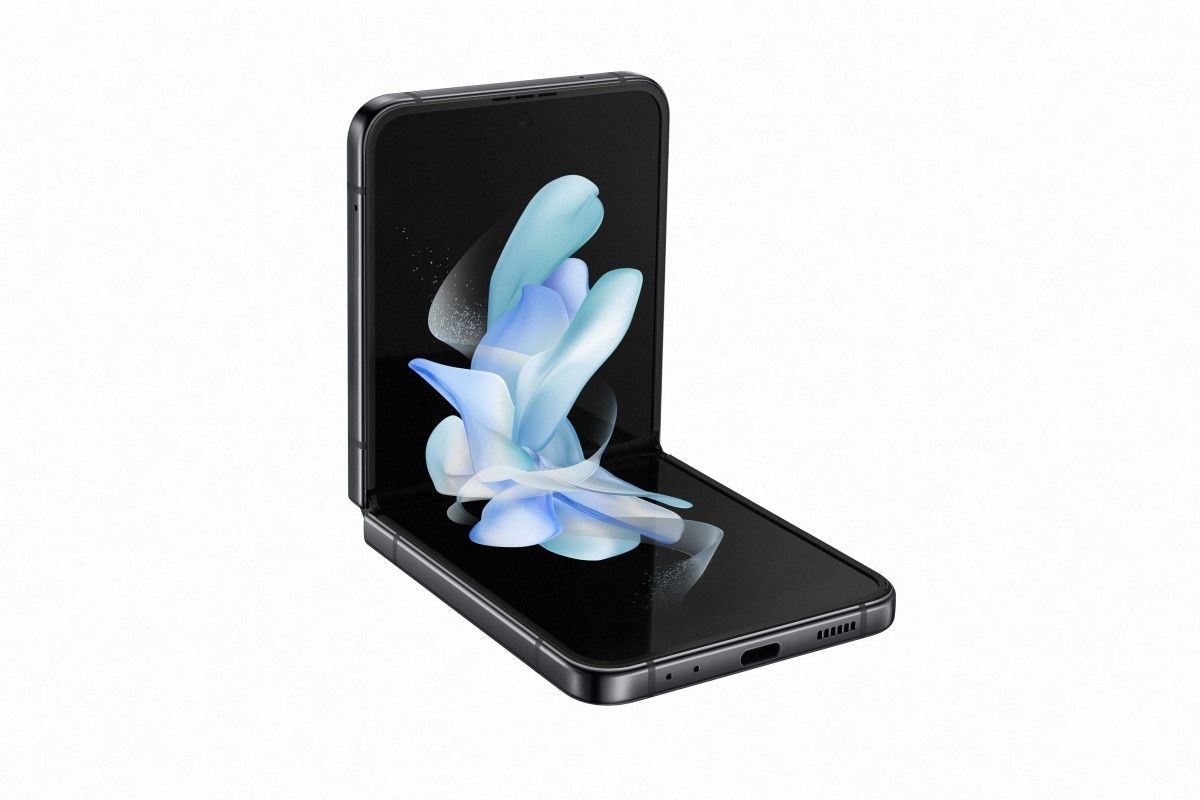
    Samsung Galaxy Z Flip 4
    The Samsung Galaxy Z Flip 4 comes with a one-year limited warranty in the US. However, you can purchase Samsung Care Plus with the device to extend the warranty period and get additional coverage for a monthly or an annual fee.

In regions where it is mandated by law to provide a longer, two-year warranty, Samsung abides by the relevant regulations.

If you’re interested in buying the Samsung Galaxy Z Flip 4 then you can use the link above to purchase it along with Samsung Care Plus. Alternatively, you can also check out the best deals for it to see if you can snag a free Samsung Care Plus coverage. If you’re confident that you don’t need a Samsung Care Plus plan for your device, then we suggest you at least pick up one of the best cases for it to protect against accidental drops and bumps. And if you haven’t already, pick up a charger for the Flip 4 too!

The post How much warranty does the Samsung Galaxy Z Flip 4 come with? appeared first on XDA.


from XDA https://ift.tt/Q9uTZHm
via IFTTT

How to enable full-screen album art on the iPhone Lock Screen on iOS 16

Apple revealed iOS 16, iPadOS 16, and macOS Ventura during the main keynote of WWDC22. These major upgrades to the Cupertino firm’s operating systems pack plenty of major changes. These include an overhauled, customizable Lock Screen on iPhones, along with widgets. Meanwhile, M1 iPads received resizable app window support. Perhaps one of the most exciting aspects of the new iPhone Lock Screen is full-screen album art. Many nostalgic fans appreciate Apple reintroducing this feature — after it had removed it years ago. The revisited addition now arrives as an optional setting. So you get to decide between sticking to compact album art in the audio player or unleashing the album cover as full-screen art. Here’s how to enable full-screen album art on the iOS 16 Lock Screen.

Enabling large album art on the iOS Lock Screen

  • Ensure that your iPhone is running at least iOS 16.
  • Launch the music streaming app of your choice. This could be Apple Music, Spotify, YouTube Music, etc.
  • Play any music.
  • Lock and wake your iPhone to view the Lock Screen or simply swipe down from the top.

How to enable full-screen album art on the iOS 16 iPhone Lock Screen

  • Tap on the compact album art in the audio player.

How to enable full-screen album art on the iOS 16 iPhone Lock Screen

  • Voila! Now the album art will appear in its large form on your iOS Lock Screen.

How to enable full-screen album art on the iOS 16 iPhone Lock Screen

  • If you dislike how it looks, simply tap the full-screen album art, and iOS will revert it to the compact form.

Personally, I almost always keep this feature enabled — as it makes the music experience more immersive. I sometimes temporarily disable it if I’m receiving plenty of time-sensitive notifications to focus on their content. It’s great to see Apple reintroduce this dearly-missed feature as an optional setting. Users are no longer forced to stick to a single view in this department.

Will you be using the full-screen album art feature on iOS 16? Why or why not? Let us know in the comments section below.

The post How to enable full-screen album art on the iPhone Lock Screen on iOS 16 appeared first on XDA.


from XDA https://ift.tt/AqfD7P4
via IFTTT

Here’s how you can unlock the bootloader and root the Google Pixel 6a with Magisk

It’s been a few weeks since Google unveiled the mid-ranger Pixel 6a, bringing several notable upgrades over previous Pixel-A series phones. Besides the availability of the Android 13 beta, the factory images and the kernel sources for the Pixel 6a have been published as well, which are just the right ingredients for the modding enthusiasts to start tinkering with the device.

We’re starting to see more and more people getting their hands on the Google Pixel 6a, so for those of you looking for some help in rooting your device, here is a simple step-by-step guide for you. This guide will walk you through how to unlock the bootloader of the Pixel 6a and gain root access on the phone using Magisk. TWRP, the most popular custom recovery there is, will take some time to be ported to the latest Pixels, hence the current rooting method is a bit more involved than what you might be used to.

Google Pixel 6a XDA Forums

  • You can root the Google Pixel 6a by patching its boot image with Magisk.
  • To flash the patched boot image, you have to unlock the bootloader of the Pixel 6a.
  • Unlocking the bootloader will wipe your Pixel 6a.

Navigate this article:


How to root the Google Pixel 6a

Before we get into how to root your Pixel 6a, you are going to want to do a few things. First, you will want to back up all the data on your phone. That’s because rooting requires wiping all the data on your phone, which includes not only installed apps but also all files saved to the internal storage.

You also want to make sure you have about 5GB of available storage on your PC, as you will need to download the factory image for your phone. After you’re done, though, you can delete these files to free up space. Nonetheless, it’s a good idea to keep the latest factory image saved in case you have any problems in your post-root adventure and need to restore to stock.

It is important to note these steps may not work on US carrier models of the Google Pixel 6a. Verizon, for example, likes to prevent bootloader unlocking altogether, making it impossible to root your phone. Sometimes, though, people find unofficial workarounds, and we’ll let you know if any are found.

Step 1 – Get the stock boot image for the Pixel 6a

Before we can root, we need to get our hands on the stock boot image that matches the current software build the phone is running. We will patch this boot image with Magisk.

To get the boot image, you need to extract it from the Pixel 6a factory image, a file that contains all the images of your phone needed to make a full restore. To make sure you download the right factory image, you need to check which software version your phone is currently running. To check this, go to Settings > About phone. At the bottom, look for the Build number section. Find the matching build number on the factory image download page and download that file.

Download Android 12 for Google Pixel phones || Download Android 13 for Google Pixel phones

Next, extract the factory image ZIP file. Locate the image-bluejay-[version].zip file (yes, there’s a ZIP within a ZIP) and extract the boot.img file from it. This is the stock boot image, which you need to transfer this to your phone’s storage.

Google Pixel 6a firmware stock boot image

Step 2 – Patch the stock boot image using Magisk

With the boot image file on your phone, you are next going to need to download and install the latest Magisk app. In fact, you can patch it on a different Android device than the Pixel 6a, but you need to install the Magisk app on the secondary device as well.

Download Magisk

In the Magisk app, you will need to click the Install button on the topmost card. Choose Select and Patch a File under Method, and select the stock boot image. This will open the Android file picker. Go ahead and find the boot.img you transferred from your PC and select that. The Magisk app will patch the image to the Download folder on the phone. You must transfer this patched file (should be named as “magisk_patched_[random_strings].img”) back to your PC, because next, we’re going to unlock the bootloader which will wipe all data as we warned previously.

Notably, if you browse the XDA Forums for the Pixel 6a, you may be lucky enough to find a pre-patched boot image. It might save you the hassle of performing steps 1 and 2, but make sure that any Magisk-patched boot image you download matches your software build version, otherwise you will face several anomalies post-flashing. That’s why we always recommend to grab the official firmware and patch the stock boot image yourself.

Step 3 – Enable OEM unlocking and unlock the bootloader

In order to flash third-party software on the Pixel 6a, we have to unlock the bootloader. To do so, go to Settings > About phone > Build number and tap on this entry 7 times to enable Developer options. After enabling it, go back to the main settings page and tap on System, then go to Developer options. From there, toggle the OEM unlocking option. Keep in mind that you need to enter your password/pattern/PIN to validate some of the actions.

After enabling OEM unlock, turn off your phone. Hold both the Volume down and Power buttons to turn your phone back on and boot into the bootloader menu. Assuming you have the latest ADB and Fastboot binaries installed already, you can also use the following command to reboot to the bootloader mode directly from Android.

adb reboot bootloader

Make sure to keep your phone plugged into your PC/Mac/Chromebook. Next, in a terminal window, type:

fastboot flashing unlock

You will see a screen telling you that you are about to initiate the bootloader unlocking process. Use the volume button to navigate and the power button to accept. Again, this will wipe all the data on your phone, so make sure you have your data backed up before proceeding.

Google Pixel 6a with an unlocked bootloader in hand

You’ll see the warning every time you boot your phone after unlocking the bootloader

Step 4 – Flash Magisk-patched boot image

After the bootloader of your Pixel 6a is unlocked and your boot image is patched, you are just one step away from root.

As soon as the bootloader unlocking process completes, the phone will boot back up after a few minutes. Skip the setup wizard at this stage and turn off the phone. You now want to boot back into the bootloader by holding the volume down and power buttons again. Once you are there, connect the phone to your PC/Mac/Chromebook and execute the following command:

fastboot flash boot path/to/magisk_patched.img

As soon as you hit Enter, the patched boot image will be flashed to your phone. Next, reboot using fastboot reboot and the Magisk app should appear on your home screen and/or app drawer. If it doesn’t (e.g. you can only see a stub icon), just install the Magisk APK manually. This is all it takes to root your Pixel 6a.

Google Pixel 6a rooted with Magisk

Keep in mind that you’ll have to repeat steps 1, 2, and 4 every time you update your phone because the boot image changes with each update.


What’s next?

If you’re looking for things to do with your newly rooted Pixel 6a, take a look our curated list of best root apps. Once your device is up and running with Magisk, you can also try out the some of the best Magisk modules to seamlessly apply complex mods without touching the underlying system.

    Google Pixel 6a
    The Google Pixel 6a is a mid-range smartphone with Google Tensor and a high-end camera.

The post Here’s how you can unlock the bootloader and root the Google Pixel 6a with Magisk appeared first on XDA.


from XDA https://ift.tt/DV870eH
via IFTTT

vivo V25 and V25 Pro: A Smartphone Lineup Designed to Inspire Creativity

Unique color-changing design, superb camera, and powerful performance – here is all you need to know about the stylish vivo V25 series ahead of its global launch. 

The new vivo V25 series is slated for global release this month, debuting the V25 and V25 Pro models. These devices will bring upgrades across the board, improving on an already impressive reputation that the V series has earned. Expect new unique color-changing designs, incredible photography capabilities, and top-tier performance. With a superb rear and front camera setup and innovative features inside and out, the V25 and V25 Pro are crafted to encourage users to create, have fun, and explore. Here is everything that you need to know about these phones, ahead of their global launch.

With enhanced autofocus capabilities, the V25 and V25 Pro keep your selfies clear even when you’re in motion.

Creative Imaging Tools for Stunning Results

vivo has always used the V series to create an excellent camera experience for various types of photography scenarios. Both the V25 and V25 Pro continue to bring that experience to a new level, allowing people to showcase their creativity and individuality. People can take advantage of the robust hardware and software built into the devices to showcase their creativity in a way that yields flagship-level results. With the benefit of vivo’s proven expertise in imaging R&D to reproduce natural colors, you can easily capture pure, high-quality images and videos and then use a host of creative tools to edit and publish your content.

The rear camera setup is one of the main attractions, boasting a 64MP ultra-sensing camera with upgraded OIS and EIS capabilities. For wide shots, the 8MP super wide-angle camera is able to capture stunning photos and stable video. When ready for your selfie, the V25 and V25 Pro treat you to a superb experience, offering 50MP and 32MP front-facing cameras, respectively. The front-facing cameras on both models have integrated skin enhancement software functions and autofocus that will keep your selfies clear even when you’re in motion.

Shot on V25 Pro using Real-Time Extreme Night Vision.

Currently, vivo is getting a lot of recognition for its strong night photography solutions, with its top phones setting the bar very high. These night photography capabilities make their way into the V25 series, enabling ultra-sensing night portraits, night photo and video modes, and more. A collection of features will help to accurately restore colors and brightness in low-light conditions.

As a way of ensuring that users can effortlessly capture and publish creative video content, vivo has added a Vlog Movie function to the V series. This feature offers preset video templates that will teach you how to enhance the video experience. You’ll be able to create videos that document your day-to-day life, a special vacation, or just a holiday family reunion, and produce content that is ready to publish to your social media.

Express your Style with New Designs

The vivo V25 series continues to carry the signature V series colorful design that exudes fun and expressive aesthetics. The iconic looks of the V25 and V25 Pro come from the new bright eye-catching colorways. The light and slim devices are encased in the revolutionary color-changing Fluorite AG glass that allows the back panel of the devices to shift color when exposed to UV light.

Aiming to inspire creativity, the vivo V25 series comes in a variety of colors ranging from shades of blue to gold, and there is a classic black option for those who enjoy minimalist designs.

Upgraded Performance for Smooth Experience

The hardware was designed to provide and support consistent and robust performance in every aspect. New features are included with a specific focus on enhancing your gaming experience, along with media consumption, web browsing, and app performance.

The vivo V25 will include the MediaTek Dimensity 900 with 8GB/12GB RAM + 8GB Extended RAM. The vivo V25 Pro is equipped with the MediaTek Dimensity 1300 which is paired with 8GB/12GB RAM + 8GB Extended RAM. Both models also come with 5G capabilities to ensure the fastest connection speeds.

Both phones have a fast-charging battery, a large AMOLED screen, a reliable cooling system, and the Funtouch OS 12 software based on Android 12. We will learn more details about these features during the global launch.

A Phone for Self-Expression

Everything that we know about the vivo V25 series points to a lineup that embraces the idea of using your phone to express yourself. The bright color-changing designs that interact with your environment let you pick a phone that matches your aesthetic, while the powerful photo and video capabilities allow you to capture life in your own style.

Stay tuned for the official launch of these two exciting new phones, where you’ll learn more about the specs, pricing, and availability.

We thank vivo for sponsoring this post. Our sponsors help us pay for the many costs associated with running XDA, including server costs, full time developers, news writers, and much more. While you might see sponsored content (which will always be labeled as such) alongside Portal content, the Portal team is in no way responsible for these posts. Sponsored content, advertising and XDA Depot are managed by a separate team entirely. XDA will never compromise its journalistic integrity by accepting money to write favorably about a company, or alter our opinions or views in any way. Our opinion cannot be bought.

The post vivo V25 and V25 Pro: A Smartphone Lineup Designed to Inspire Creativity appeared first on XDA.


from XDA https://ift.tt/TI1W2Mj
via IFTTT