Back in late 2019, Apple launched its Arcade gaming service. This addition to its rich family of subscription services caters to casual gamers who are tired of ads and in-app purchases. By paying $4.99 per month, users get access to over 200 premium games on their favorite iPhones, iPads, Macs, and Apple TVs. Expectedly, when a user cancels their subscription, they lose access to all of the Apple Arcade games they had previously played. What many players don’t know, though, is that the game catalogue sometimes shrinks.
While the Cupertino firm adds a couple of games every month or so, it also drops certain titles for unclear reasons. To be more transparent with subscribers, the Apple Arcade tab on the App Store now displays a dedicated section highlighting which games are leaving the service soon. The new section is visible on iOS and macOS alike, giving users a heads-up regarding departing releases.
At the time of writing, the Leaving Arcade Soon section lists 15 titles that the service will be dropping in the near future. It’s still unclear when or why these games are leaving. We also don’t know if the respective developers will re-release them as non-Arcade editions down the road. The current list includes the following games:
Projection: First Light
Lifeslide
Various Daylife
EarthNight
Atone: Heart of the Elder Tree
Over the Alps
Dread Nautical
Cardpocalypse
Towaga: Among Shadows
Dead End Job
Don’t Bug Me!
Spelldrifter
Spidersaurs
Explottens
BattleSky Brigade: Harpooner
If you play any of the titles listed above, it’s a good idea to stop investing as much time into them. Even if you have them installed on your devices, you likely won’t be able to launch them when they’re no longer available on Apple Arcade.
Are you subscribed to Apple Arcade? Why or why not? Let us know in the comments section below.
The Galaxy A53 5G and the Google Pixel 5a 5G are two of the best mid-range phones under $500. Both phones are similarly priced and offer a great value for money. The Galaxy A53 packs a powerful punch, featuring a 120Hz AMOLED display, a capable set of cameras, a fast chipset, and a large battery. The Pixel 5a 5G is not quite as feature-packed as the Galaxy A53, but it has a lot going for it in the photography department, and you are much more likely to spot one out on a great discount. But which one is worth your money? We find out in this head-to-head comparison.
Samsung Galaxy A53 5G Vs Google Pixel 5a 5G: Specifications
Samsung Galaxy A53 5G
Google Pixel 5a 5G
Build
Plastic body
Gorilla Glass 5 front panel
IP67 water/dust resistance
Metal unibody
IP67 dust and water resistance
Dimensions and Weight
159.6 x 74.8 x 8.1mm
189 g
156.2 x 73.2 x 8.8mm
183g
Display
6.5-inch Super AMOLED
120Hz refresh rate
1080 x 2400 pixels
6.34″ OLED
2400 x 1080 resolution
HDR
60Hz refresh rate
Hole-punch display
Up to 700 nits
Gorilla Glass 3
SoC
Samsung Exynos 1280
Qualcomm Snapdragon 765G
RAM and Storage
6GB/8GB RAM
128GB/256GB internal storage
microSD card slot (up to 1TB)
6GB RAM
128GB internal storage
Battery and Charging
5,000mAh battery
25W Super Fast Charging
No charger in the box
No wireless charging
4,680mAh
18W fast charging
No wireless charging
Security
Optical in-display fingerprint sensor
Optical in-display fingerprint sensor
Rear Camera(s)
64MP ƒ/1.8 Main (with OIS)
12MP ƒ/2.2 Ultra-wide
5MP ƒ/2.4 Depth sensor
5MP ƒ/2.4 Macro
12.2MP Sony IMX363, f/1.7, 1.4µm pixel size, Dual Pixel AF
16MP ultra-wide, Sony IMX481, f/2.2, 1.0µm pixel size, 107° FoV
Front Camera(s)
32MP ƒ/2.2
8MP, f/2.0, 1.12µm pixel size
Ports
USB Type-C
No headphone jack
USB-C
3.5mm headphone jack
Connectivity
5G
LTE
Wi-Fi 802.11 a/b/g/n/ac (2.4G+5GHz)
Bluetooth 5.1
Sub-6GHz and mmWave 5G
Single nanoSIM card slot + integrated eSIM for 5G + 4G or 4G + 4G DSDS (dual SIM, dual standby)
Wi-Fi: 2.4GHz/5GHz 802.11ac (Wi-Fi 5)
Bluetooth 5.0
NFC
Software
One UI 4.1 (Android 12)
4 years of Android OS updates
5 years of security updates
Android 11
3 years of Android OS upgrades
3 years of monthly Android security patch updates
Price
$349
$449
Design & Display
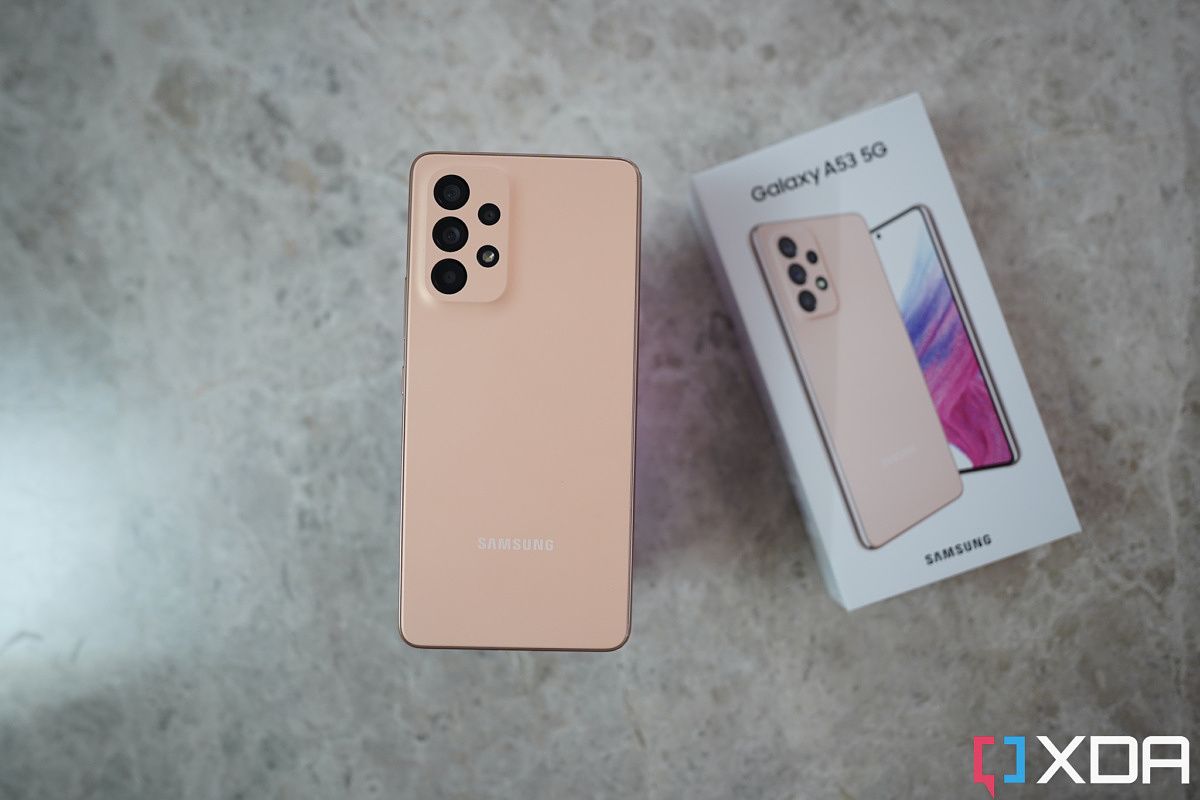
Both the Galaxy A53 and the Pixel 5a 5G feature a plastic exterior with a soft-touch coating, but visually, they’re very different-looking phones. The Galaxy A53 is bold and beautiful, and it comes in a wide variety of colors to choose from. The overall aesthetic of the Galaxy A53 is similar to last year’s Galaxy A52. It has a flat chassis and a large camera module that slightly protrudes from the body. Despite the plastic back and sides, the Galaxy A53 feels good in the hand.
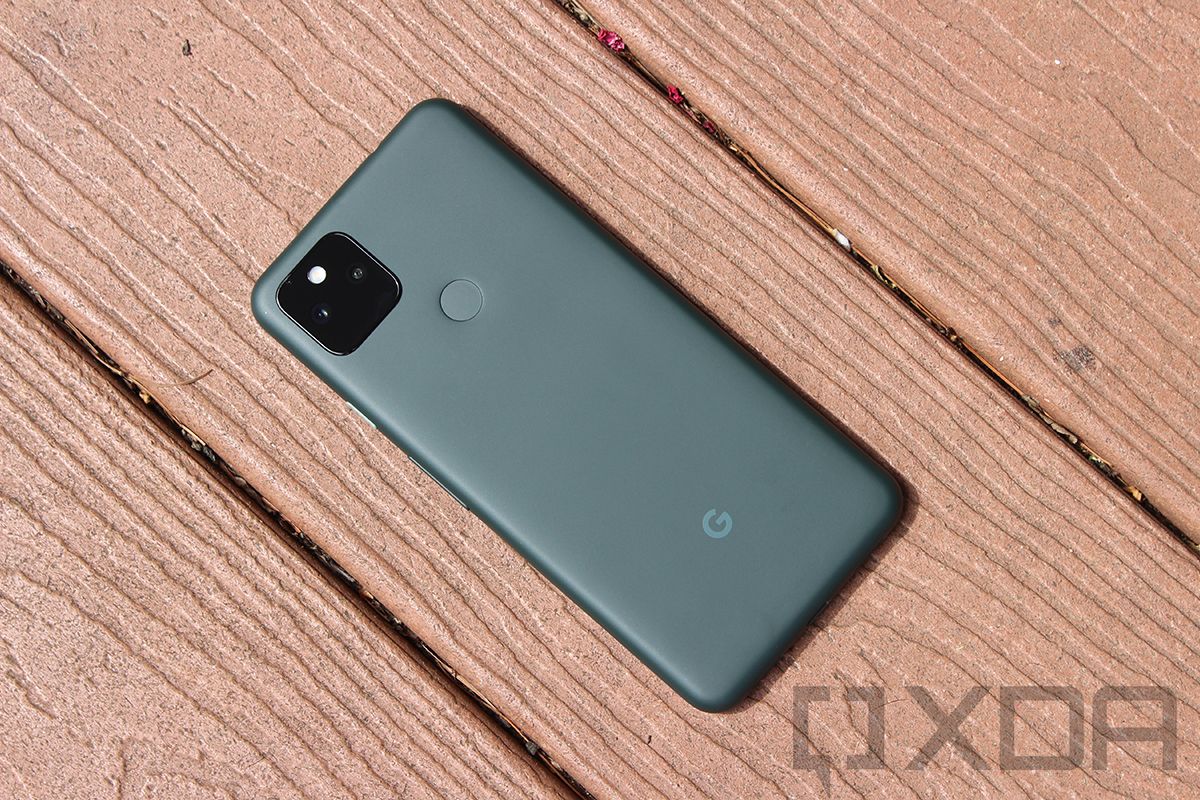
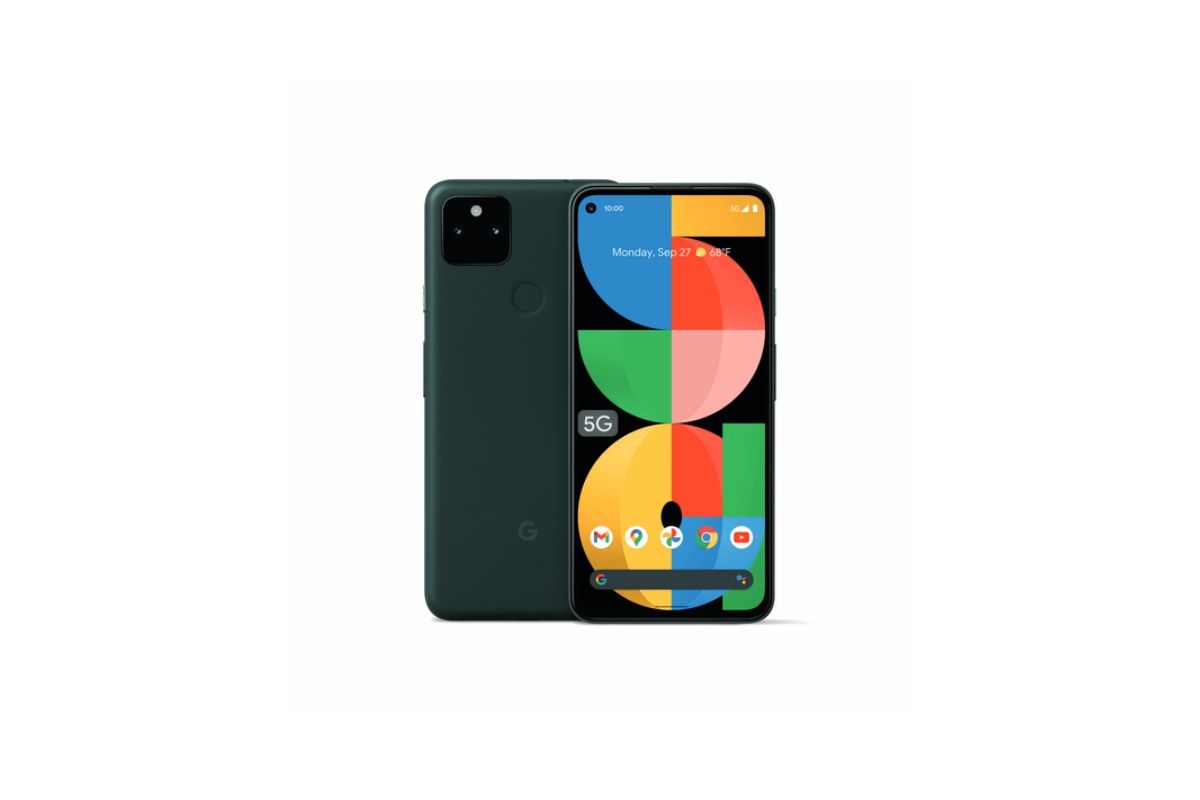
The design of the Pixel 5a 5G is a clear example of function over aesthetics. The Pixel 5a 5G looks rather boring in comparison to the Galaxy A53. But it’s a well-made phone, featuring a metal and plastic unibody (metal covered in a plastic exterior) feels solid in hand. The Pixel 5a 5G only comes in a single colorway: Mostly Black.
In terms of protection and durability, both phones have an IP67 rating for water and dust protection. The Galaxy A53 has an under-display fingerprint scanner, while the Pixel 5a uses the good, old rear-mounted fingerprint scanner. One major distinction between the two phones is that the Pixel 5a 5G has a 3.5mm jack while the Galaxy A53 does not.
The Galaxy A53 5G 6.5-inch full HD+ Super AMOLED display with a 120Hz refresh rate, offering punchy colors and a smooth scrolling experience. The Google Pixel 5a 5G has a slightly smaller 6.43-inch OLED display with full HD resolution. It also doesn’t support a high refresh rate, nor does it get as bright as the Galaxy A53. Simply put, the Galaxy A53 has a far better panel than the Pixel 5a.
Cameras
The Galaxy A53 packs a quad-camera setup, featuring a 64MP main shooter with OIS, a 12MP ultra-wide camera, and two 5MP macro and depth lenses. The Pixel 5a features a dual-camera setup on the back, headlined by a 12MP main camera with OIS and 16MP ultra-wide shooter. On paper, the Galaxy A53 has a more robust camera system, but more megapixels and more camera sensors don’t necessarily translate to great camera performance. Modern smartphone photography leans heavily on software image processing and machine learning/AI magic, and this is where the Pixel 5a has the edge over the Galaxy A53.
Both phones produce sharp images with a high dynamic range in broad daylight. However, the Galaxy A53 tends to oversaturate colors a bit while also flattening shadows for a brighter and more vibrant look. The Pixel 5a’s shots look more natural and have more shadow detail and contrast.
Both phones offer a dedicated night mode for nighttime photography and optical image stabilization on the main camera. The Pixel 5a 5G has the edge over the Galaxy A53 when it comes to video recording as it supports 4K shooting at 60fps. The Galaxy A53 maxes out at 4K 30fps. However, when it comes to portrait and super close-up shots, the Galaxy A53 fares better as it has dedicated depth and macro shooters.
Overall, the Pixel 5a 5G is a safer bet if you want a camera that can consistently take realistic photos across all lighting conditions. If you want a more versatile camera system, the Galaxy A53 is a better choice.
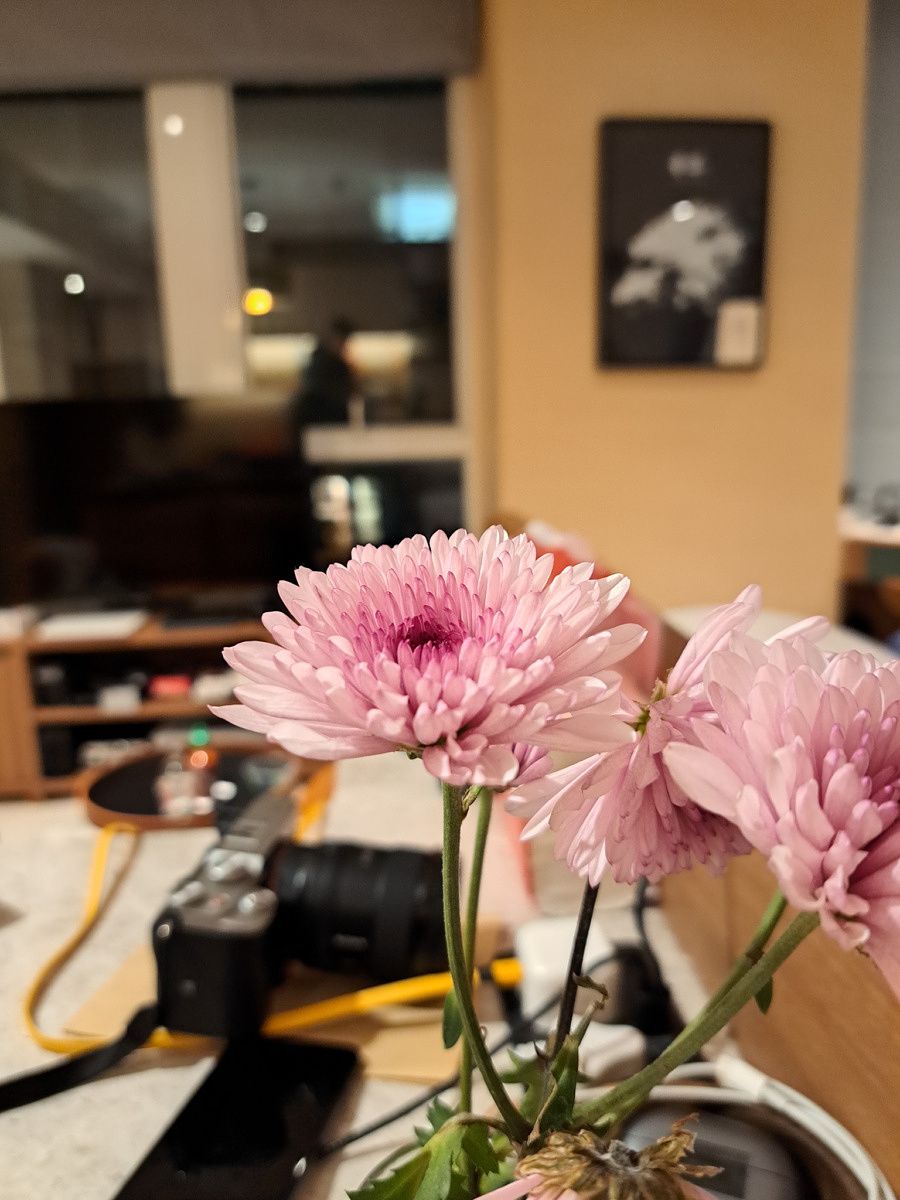
Check out the image samples from both phones’ primary, ultra-wide, and selfie cameras.
Pixel 5a: Camera samples
Galaxy A53: Camera samples
Performance
The Galaxy A53 is powered by Samsung’s in-house Exynos 1280 SoC, featuring two Arm Cortex-A78 performance cores clocked at 2.4GHz, and six Cortex-A55 efficiency cores running at 2.0GHz speed. Meanwhile, the Pixel 5a 5G packs Qualcomm’s Snapdragon 765G chipset, which has one Cortex-A76 core at 2.4GHz, one Cortex-A76 core at 2.2GHz, and four Cortex-A55 cores running at 1.8GHz.
The Galaxy A53 has the Pixel 5a beat when it comes to raw performance. It has more powerful CPU cores and a faster GPU. In real-world performance, too, the Galaxy A53 should feel more responsive and fluid than the Pixel 5a as it has a higher refresh rate display (120Hz Vs 60Hz). With that said, don’t expect to play high-end games like Genshin Impact or Call of Duty at its highest graphics on any of these phones.
The Galaxy A53 starts with 4GB of RAM and goes up to 8GB RAM. The Pixel 5a 5G only comes with 6GB of RAM. The same goes for the storage options: the Pixel 5a 5G only comes in a 128GB variant, while the A53 gives you 128GB and 256GB options. The A53 also has a MicroSD card slot, so should you run out of storage down the line, you can always pop in a memory card to expand the storage.
Software & Battery life
The Galaxy A53 runs Android 12 with One UI 4.1 out of the box. The Pixel 5a ships with a stock version of Android 11 but is upgradable to Android 12. In terms of software support, it’s a bit tricky to pick a clear winner. If you want to get your hands on new Android versions as soon as possible, the Pixel 5a is your best bet. In fact, it’s one of the only few phones that can run Android 13 Beta. But in terms of long-term software support, the Galaxy A53 blows the Pixel 5a 5G out of the water by promising four years of OS updates and five years of security patches. The Pixel 5a is promised to get three years of OS updates, and since it shipped with Android 11, Android 14 will likely be its last major update. Meanwhile, the Galaxy A53 should get updates till Android 16.
Samsung Galaxy A53 5G vs Google Pixel 5a: Which one should you buy?
The Galaxy A53 has a larger 5,000mAh battery than the Pixel 5a’s 4,680mAh cell. While that’s not a huge gap, it’s something to keep in mind if the battery life is your top priority. In terms of charging speed, the A53 supports 25W fast wired charging, while the Pixel 5a tops out at 18W. However, note that the Pixel 5a 5G comes with the charger inside the box, while you’ll have to buy one separately for the Galaxy A53.
The Galaxy A53 and the Google Pixel 5 are both capable mid-rangers, offering great hardware at a reasonable price. While both phones launched at similar prices, the Galaxy A53 has come down to $349, making it a better proposition than the Pixel 5a.
The Galaxy A53 beats the Pixel 5a 5G in most departments. It has a much better display, a faster chipset, a larger battery life, and longer software support. Granted, the Pixel 5a 5G has a superior camera system than the A53, but it also costs $100 more. And with the Pixel 6a shortly hitting the shelves with even better cameras and a much faster chipset for the same price, the Pixel 5a 5G doesn’t look like the best phone to buy right now.
The Samsung Galaxy S22 Plus sits between the smaller Galaxy S22 and the bigger, more expensive Galaxy S22 Ultra. It offers a traditional form factor with a flat design and a gorgeous screen on the front and powerful internals on the inside. As we mentioned in our Galaxy S22 Plus review, there’s a lot to like about this phone but how does it compete against Samsung’s excellent foldable, the Galaxy Z Flip 3? Well, let’s take a look at the Samsung Galaxy S22 Plus vs Galaxy Z Flip 3 comparison to find out which is the better phone to buy in 2022.
The Galaxy S22 Plus is a traditional-looking slab phone with a glass sandwich design. Samsung raised a few eyebrows this year with the Galaxy S22 series design, but it’s quite familiar overall. The company has returned to the glass back design this year, and it also lays fully flat now. Its frame is made out of Armor Aluminum and you get Corning Gorilla Glass Victus+ protection on the display. The Galaxy S22 Plus looks and feels premium overall, but we won’t blame you for picking the Galaxy Z Flip 3 over it.
The Galaxy Z Flip 3 has a different form factor altogether as you’re looking at a foldable display. XDA’s chief Nirave calls it the “conversation starter” in his Galaxy Z Flip 3 review, and we couldn’t agree more. This is the phone to attract eyeballs in public, not the Galaxy S22 Plus. It’s a simple choice, really. The Galaxy Z Flip 3 also adopts Armor Aluminum and Corning Gorilla Glass Victus for added durability.
The best thing about the Z Flip 3 is that it can shrink into a compact and highly pocketable phone thanks to its foldable display. If you don’t want to live with a huge smartphone like the Galaxy S22 Plus or the Galaxy S22 Ultra, then the Z Flip 3 is the way to go. You’ll have to put up with a crease in the middle of the screen, though, so keep that in mind. Both the Galaxy S22 Plus and the Galaxy Z Flip 3 come with an IP rating too. The Galaxy S22 Plus is rated IP68 for dust and water resistance whereas the Galaxy Z Flip 3 is rated IPX8. The latter isn’t protected against dust but you can take it with you in the pool.
As far as the displays are concerned, the Galaxy S22 Plus sports a 6.6-inch Dynamic AMOLED 2X display with support for 2340 x 1080 resolution and adaptive refresh rate. A Dynamic AMOLED 2X means the panel can dynamically switch between 10Hz and 120Hz based on the content. The Galaxy Z Flip 3 comes with a 6.7-inch Dynamic AMOLED 2X panel inside. It supports 2640 x 1080 resolution and a similar adaptive refresh rate.
In reality, both displays are going to look equally sharp and colorful, meaning both phones are going to be great for day-to-day usage and media consumption. The only thing you need to worry about is the visible crease on the Galaxy Z Flip 3’s display. The flip phone, however, also gets an outer display a.k.a the cover screen which is a 1.9-inch Super AMOLED panel. This cover screen isn’t as useful as the outer display on the Galaxy Z Fold 3, but it comes in handy as it shows the notifications, music controls, and more.
Internal hardware – The Galaxy S22 Plus is more powerful
Both the Samsung Galaxy S22 Plus and the Galaxy Z Flip 3 offer flagship-grade internals as they both belong to the upper echelon of smartphones. The Galaxy S22 Plus, however, gets the more powerful Snapdragon 8 Gen 1 chipset in the US and in some other regions including India. The rest of the world will get Samsung’s in-house Exynos 2200 in the Galaxy S22 Plus. The Galaxy Z Flip 3, on the other hand, is powered by the Snapdragon 888 chipset in all regions. While both are great chipsets that’ll keep the lights on for many years to come, there’s no denying that the Snapdragon 8 Gen 1 is the speedier chip in this comparison. You may not notice a significant difference between the two devices in day-to-day usage, though.
Both smartphones also have 8GB of RAM and at least 128GB of internal storage. You can’t add a microSD card to expand the storage in either of the phones, so we recommend picking up the 256GB variant if you are a heavy user. We suggest you read our detailed reviews of both the Galaxy S22 Plus and the Galaxy Z Flip 3 (linked earlier in this article) to learn more about the performance of each phone.
Moving on to the battery department, we’re looking at different battery and charging capacities for each phone. The Galaxy S22 Plus features a 4,500mAh battery with support for 45W wired and 15W wireless charging. Meanwhile, the Galaxy Z Flip 3 packs a relatively smaller 3,300mAh battery. It also tops out at 15W wired charging speed in addition to the 15W wireless charging, so we think the Galaxy S22 Plus is better in this regard. The Galaxy Z Flip 3 will force you to carry a charger with you at all times, and it’ll take anywhere between 90 minutes to two hours to charge.
Cameras: Dual vs Triple camera setup
The Samsung Galaxy S22 Plus comes with triple cameras at the back which includes a 12MP main camera (actually 50MP, but with binned pixels), a 12MP ultra-wide, and a 10MP telephoto with 3x optical zoom and 30x Space zoom. The Galaxy Z Flip 3’s camera system isn’t as exciting in comparison because it has two 12MP sensors using a standard lens with Dual Pixels and OIS and an ultrawide lens. We couldn’t capture the same set of photos using both phones for a side-by-side comparison, but we’ll leave some camera samples below for you to check out.
Without getting into too many details, it’s safe to conclude that the Galaxy S22 Plus takes better photos overall. Notably, you also get more camera features thanks to a more versatile setup. Selfies and video calls are handled by a 10MP sensor on both phones, so you’re probably not going to notice a huge difference here. The Galaxy Z Flip 3 also lags behind the S22 Plus in the video department. It tops out at 4K@60fps recording with the main camera while the Galaxy S22 Plus can record 8K footage at 24fps.
Samsung Galaxy S22 Plus: Camera samples
Samsung Galaxy Z Flip 3: Camera samples
Samsung Galaxy S22 Plus vs Galaxy Z Flip 3: Which one should you buy?
This one’s a tough nut to crack because both the Galaxy S22 Plus and the Galaxy Z Flip 3 cost the same at least at the time of writing this article. The base variants of both phones cost $999 with an additional $50 premium for the 256GB variant in each case. The decision comes down to your personal preference, but here’s a quick summary:
The Galaxy Z Flip 3 is the crowd pleaser when it comes to design. Not only is it the better-looking phone out of the two, but it’s also more compact as it can fold into a pocketable form factor. It’ll also put up a good fight against the Galaxy S22 Plus in the performance department as the Snapdragon 888 isn’t necessarily an old chipset. The Galaxy Z Flip 3 lags behind the Galaxy S22 Plus in the cameras and the battery department, though. Even if you don’t miss the telephoto lens, the battery life will definitely leave you wanting more.
For all intents and purposes, we think the Galaxy S22 Plus is the better phone overall. It’s not going to stand out among the sea of other similar-looking phones but it makes up for it with the latest processor and advanced optics for both photos and videos. That doesn’t mean the Galaxy Z Flip 3 is a bad phone by any stretch of the imagination. It just forces you to make a few compromises in exchange for good looks. We’re expecting the upcoming Galaxy Z Flip 4 to turn things around later this year, but we’ll have more to talk about it once it’s officially announced.
So, which smartphone are you planning to buy? Let us know by dropping a comment down below. If you’re leaning towards the Galaxy S22 Plus, then be sure to take a look at our collection of the best Galaxy S22 deals page before hitting that purchase button. Similarly, you can check out our Galaxy Z Flip 3 deals to see if you can save some money on the flip phone too. We also have a good collection of Galaxy Z Flip 3 cases that you may want to check out while you’re here.
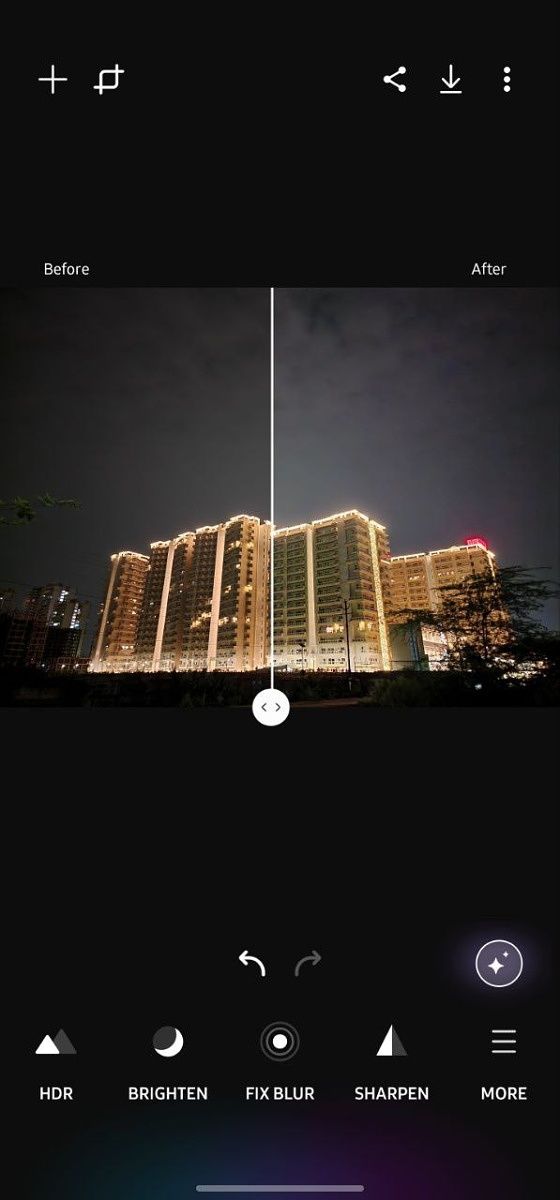
It’s easy to slap a filter on your photos before sharing them on social media. But making advanced edits using image editing apps like Snapseed or Lightroom isn’t everyone’s cup of tea. These apps offer a wide range of tools that can be overwhelming for the average user, and making edits like brightening and sharpening images or fixing blur aren’t as simple as you might think. That’s where Samsung’s new Galaxy Enhance-X app comes in.
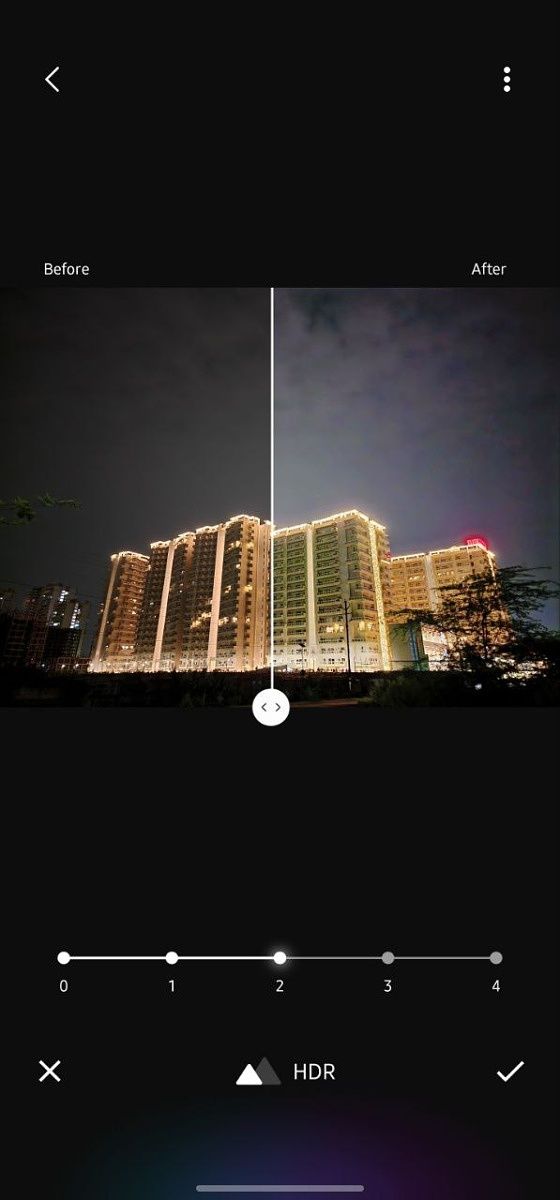
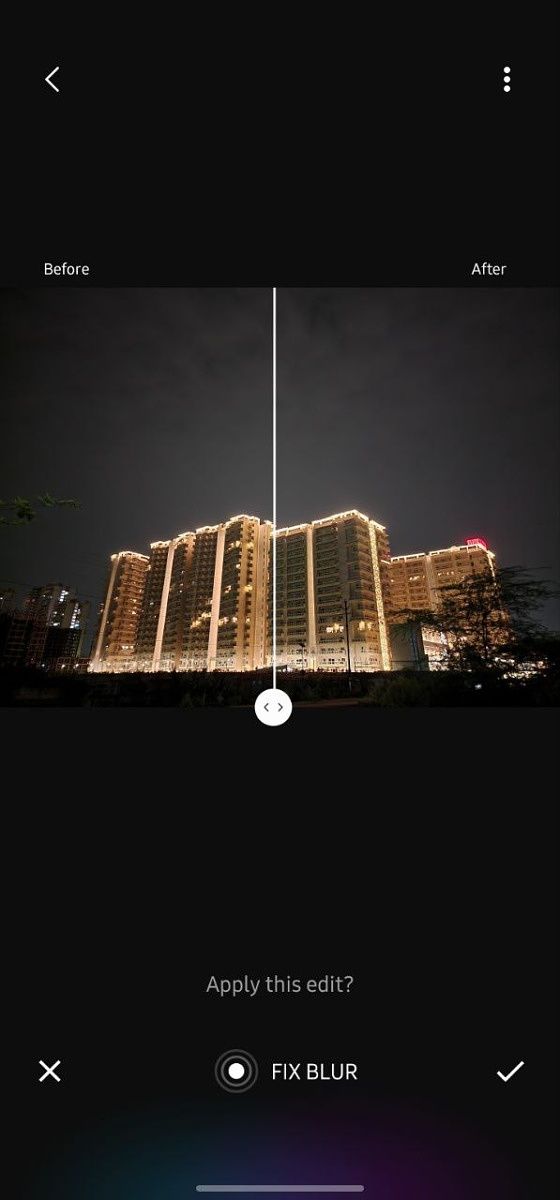
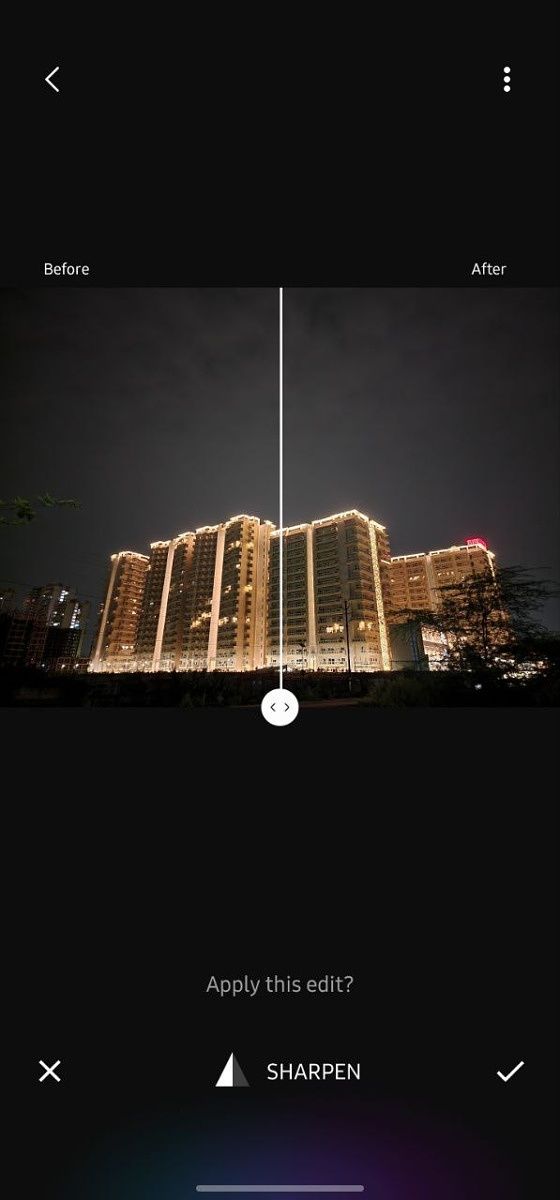
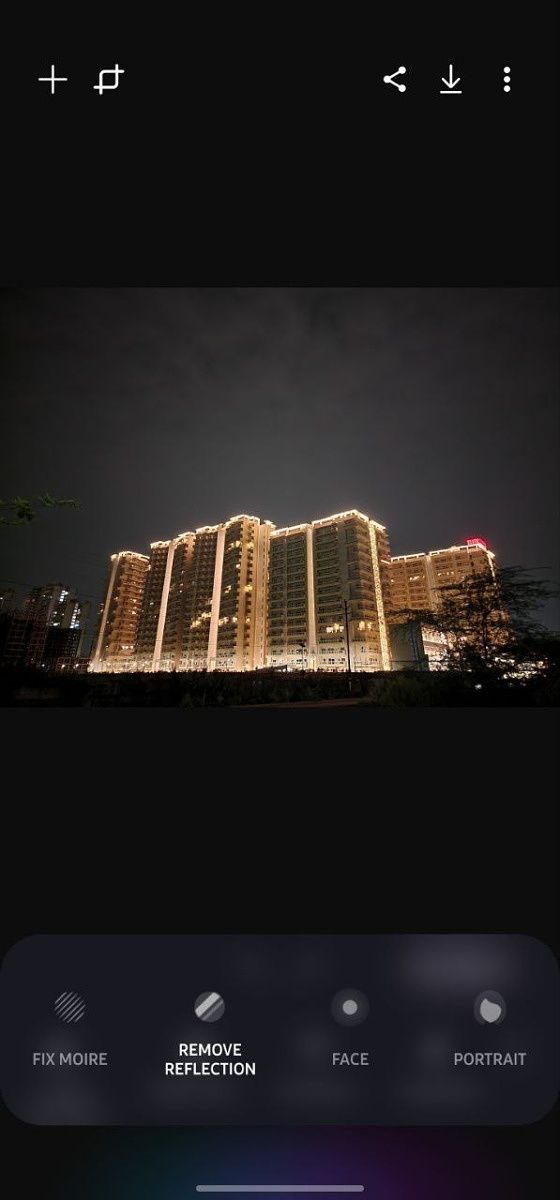
The Galaxy Enhance-X app is a powerful image upscaler and editor that utilizes artificial intelligence-based techniques to enhance your images. You can use it to edit your photos and improve dynamic range, brightness, and sharpness with just a tap. In addition, the app also lets you fix blurred objects in your image, remove reflections, and fix moire.
Furthermore, Galaxy Enhance-X uses AI to detect faces in images and lets you adjust smoothness, tone, jawline shape, and eyes. For portrait shots, you can use the app to change the blur style and adjust blur intensity. Lastly, the app has a one-tap edit button that can apply all the appropriate edits to your photos.
The best part about Enhance-X is that all of these edits take a few seconds, and it offers a neat before/after comparison preview that lets you compare the differences.
As with most AI-based photo editing apps, images edited using Galaxy Enhance-X might not turn out as impressive as ones edited in Snapseed or Lightroom. But that’s a trade-off you’ll have to make if you want your photos edited in seconds. If you’re game, you can try out Galaxy Enhance-X by downloading it from the Galaxy Store on your device. Alternatively, you can download the APK from the link provided below.
Note that the app doesn’t seem to work on non-Samsung devices at the moment. Although you can install and open it successfully, it shows an error when you try to open photos to edit. We’re not sure if this is intentional.
Nova Launcher has long been one of the best launcher apps for Android devices. Even though it has been around for over a decade, its developers have done a fantastic job keeping it up to date with the latest features. For this reason, it still is the go-to launcher app for millions of Android users. In September last year, the launcher received a major update with a visual overhaul, enhanced search, and new gestures. Now, it has received another significant update on the beta channel, bringing Material You theming support, a redesigned settings menu, even more gestures, and several other changes.
The latest Nova Launcher beta (v8.0) is rebased on Launcher3 from Android 12L. As mentioned earlier, it brings support for Material You dynamic theming. The feature automatically themes UI elements based on a color scheme extracted from your current wallpaper.
Nova Launcher 8.0 BETA
• Material You – Custom color schemes based on wallpaper colors
• Redesigned Nova Settings
• New swipe left/right desktop gestures
• Align Bottom immersive folders
• Rebased on Launcher3 Android 12L
• Android 13 fixes pic.twitter.com/WTGEOVtY5W
In addition, the update introduces an overhauled Nova settings menu that’s easier to navigate compared to the older layout. Furthermore, the beta update includes new swipe left/right desktop gestures, an Align Bottom immersive folders option, and fixes for Android 13. Check out the full Nova Launcher 8.0 beta changelog below:
Material You – Custom color schemes based on wallpaper colors
Redesigned Nova Settings
New swipe left/right desktop gestures
Align Bottom immersive folders
Rebased on Launcher3 Android 12L
Android 13 fixes
Nova Launcher 8.0 beta is available for download on the Nova Launcher Discord, and you can try it out by following the link provided below. Note that the developers have already released a subsequent beta release (v8.0.1) with a host of bug fixes. Here’s the changelog for Nova Launcher 8.0.1 beta:
Fixes FCs on Android 8 and 9
Fix widgets on Samsung
Fix disabling dock
Fix various crashes
Fix max grid size in settings UI
Fix left/right gestures on single home screen
Fix left/right gesture settings appearing twice
Fix backing out of gesture action selection screen causing selection of None
Until recently, I had never used a docking station before, but when Plugable reached out to me to offer the USB-C Triple 4K Display Docking Station (UD-ULTC4K for short) for review, I was intrigued. This is a revised version of the previous dock with the same name, but it’s no minor refresh. This new model comes with some big improvements both inside and out.
The big selling point of the Plugable UD-ULTC4K is the ability to drive three 4K displays at 60Hz at the same time. Not only that, it can do it without using a Thunderbolt connection. But what you might find even more impressive is the triple 4K displays are supported even on the M1 and M2-based MacBook Air and 13-inch MacBook Pro. Plus, it has USB Type-A ports, it can charge your laptop and your phone, and more. It’s a very versatile dock, and it’s still cheaper than most Thunderbolt-based offerings.
Plugable USB-C Triple 4K Docking Station: Pricing and availability
The Plugable UD-ULTC4K is available on Amazon and various other retailers
The MSRP is $279.99, which is significant for a non-Thunderbolt dock
Plugable launched the refreshed Triple 4K Display Docking Station in the second half of June 2022, and it’s available at Amazon and a variety of retailers. The MSRP is still $279.99, despite increasing manufacturing costs.
That price tag still puts it in the range of some Thunderbolt docks, though it’s still a little cheaper. That may seem like a little too much, but the capabilities offered by this dock aren’t that far off from many Thunderbolt solutions, and it has the benefit of working with AMD-powered laptops or Apple Silicon Macs just as well as with Intel-based PCs.
Plugable USB-C Triple 4K Display Docking Station (UD-ULTC4K): Specs
Size (WxDxH)
With vertical stand: 73 x 200 x 136 mm (2.87 x 7.87 x 5.35 in)
Without stand: 35 x 195 x 95 mm (1.38 x 7.68 x 3.74 in)
Weight
1.38 lbs (626 grams)
Connection to host
USB Type-C – 10 Gbps, 100W Power Delivery (96W certified)
Ports
Front
1 x USB Type-C (10Gbps) with 20W Power Deliver
1 x Full-size SD card reader
1 x 3.5.. Audio In
1 x 3.5mm Audio Out
Rear
4 x USB Type-A (5Gbps)
2 x HDMI 2.0 / DisplayPort++ 1.2 (DisplayLink)
1 x HDMI 2.0 / DisplayPort++ 1.2 (DP Alt Mode)
10/100/1000 Gbps Ethernet
USB-C host connection
AC in
Display resolutions
3 x 4K (3840 x 2160) @ 60Hz
Power adapter
135W (20V 6.75A) power supply
What’s in the box
Plugable UD-ULTC4K Docking Station
135W power supply
USB-C to USB-C host connection cable
Price
$279.99
Display outputs: Three 4K displays on almost any PC
The refreshed Plugable Triple 4K Display Docking Station comes with some big improvements over the previous generation, and the big focus is the displays. The previous version also had three display outputs, but they were two DisplayPort Ports and one HDMI port. This meant you might need adapters depending on your setup. Now, Plugable has done the best possible thing, and you get three HDMI ports and three DisplayPort ports.
The HDMI and DisplayPort outputs are paired up, so you get a total of three displays, but you can freely choose what cable to use for each and every one of them. That gives you fantastic flexibility right out of the box, and no matter what monitor or TV you have, you can connect it to this dock. I’ve always used HDMI (just because that’s what my first monitor had), and most of the cables I have in my home are HDMI, so having the ability to go that route is great, but I know many others will prefer DisplayPort.
If you have a MacBook Air or 13-inch MacBook Pro with an Apple M1 or M2 chip, you can have a total of three external displays connected at the same time.
Now, one of these pairs of ports is powered by a DisplayPort Alt Mode signal, as is the case with most docks like this. However, the other two use DisplayLink, a technology that allows display outputs using conventional USB connections. This requires you to install special DisplayLink drivers (Windows PCs should grab them from Windows Update automatically, but macOS requires manual installation from Synaptics’ website), but once that’s done, you get a total of three display outputs, all supporting 4K video at 60Hz at the same time. I don’t actually have that many 4K displays, so I couldn’t try it out, but I could use a 4K display alongside two Full HD ones. I had to move my entire setup next to my living room TV just to test it, but you can see it below.
And the best part about it is that you don’t need Thunderbolt for this, nor do you need specific hardware features like Thunderbolt on your PC. What that means is that if you have a MacBook Air or 13-inch MacBook Pro with an Apple M1 or M2 chip, you can have a total of three external displays connected at the same time, instead of being limited to just one. The same goes for AMD-powered laptops, most of which still don’t have Thunderbolt or USB4. You do need a USB-C port capable of DisplayPort Alt Mode for the third display, but most modern laptops support that already.
One thing I want to mention, even though it might be basic knowledge for some, is that docks like this aren’t designed for high-refresh-rate displays. Because there are a lot of signal conversions from your GPU to the display outputs on the dock, latency starts adding up, and the signal can become too unstable for high refresh rates. I feel like I need to mention this because my primary monitor has a 144Hz refresh rate, and it would always appear black despite being detected by my laptop. I managed to get it working at 100Hz, but officially, only 60Hz monitors are supported. Above that, your mileage will vary.
Design and ports: Faster charging and other upgrades
The display outputs aren’t the only thing Plugable upgraded with this new model of the Triple 4K Display Docking Station. There are also some big changes to the rest of the ports, starting with the host connection. The previous model provided 60W of power delivery to your laptop, but now, it’s been bumped up to 100W (certified for 96W). Docking stations can’t actually negotiate power at 100W due to potential spikes in power going above that, so the dock is certified for 96W.
And speaking of charging, the USB Type-C port on the front has also been upgraded, and now it has 20W Power Delivery and faster 10Gbps speeds instead of 5Gbps. That gives you a way to charge your phone, too, and it’s a decently fast charger at that. To accommodate these new charging capabilities, the dock now ships with a 135W power adapter.
The host connection has 10Gbps bandwidth in total.
The dock has also been made slimmer and taller, so the four USB 3,1 Gen 1 Type-A ports are now all on the back, which may not always be the most convenient, but you’ll probably have your peripherals connected all the time anyway. In its place, there’s now an SD card reader on the front, another brand-new addition with this model. You also still get Gigabit Ethernet and separate 3.5mm audio jacks for audio in and out. All in all, there’s a slew of upgrades here that make this a much more versatile docking station.
It’s not a Thunderbolt dock, though, so you don’t have 40Gbps of bandwidth, and you won’t be able to use all of these ports at full speed at the same time. The host connection has 10Gbps bandwidth in total, and if you connect a lot of high-speed peripherals, you’re going to hit that barrier quickly.
The Plugable USB-C Triple 4K Display Docking Station is mostly made of plastic, so that’s one potential downside. It doesn’t really feel all that premium, but that doesn’t bother me all that much for a device I don’t handle that often. It sits there and does its job, which is all I really need. A more serious downside is that it’s not really designed to be used horizontally. You can technically remove the vertical stand, but the cooling vents are on the sides, so if you use it horizontally, there’s a higher risk of overheating. Also it doesn’t look that great when it’s on its side.
Should you buy the Plugable USB-C Triple 4K Docking Station?
I’m pretty confident in recommending the Plugable USB-C Triple 4K Docking Station for people who want to have multiple displays connected to their laptops, as long as they’re not gaming monitors. It’s especially great for AMD laptops and Apple M1 or M2 Macs, since this is the only way you can connect three 4K displays at once. And it is cheaper than most Thunderbolt docks, so even if you have a Thunderbolt-enabled laptop, this may be a solid alternative.
You should buy the Plugable Triple 4K Display Docking Station if:
You have multiple 4K monitors you want to connect to your laptop
You have an Apple M1 or M2-powered Mac and more than one external display
You want to connect multiple peripherals and charge your laptop and phone all with one device
Thunderbolt docks are a little too expensive or your laptop doesn’t support them
You shouldn’t buy the Plugable Triple 4K Display Docking Station if:
You want the full bandwidth of Thunderbolt 4 for fast storage and other peripherals
You’re looking for a premium design or you want to use it horizontally
The only major downside here is that you don’t get Thunderbolt 4 bandwidth, so you can’t connect as many high-speed peripherals, and the dock isn’t really meant to be used horizontally. But if you want a lot of ports, especially display outputs, and you don’t need those high speeds, this is a great docking station.