LightBlog

mardi 23 juin 2020

Download: MIUI 12 stable update begins rolling out to Xiaomi Mi 9 and Redmi K20 Pro/Mi 9T Pro

Xiaomi’s Android ecosystem is designed in such a way that the version of their custom Android skin, aka MIUI, gets more importance than the underlying Android version. MIUI 12 is the latest major release for Xiaomi devices, and the first batch of “Closed Betas” has been available for a bunch of smartphones in China since late April. The global version of MIUI 12 appeared almost a month later for a handful of devices in the form of “stable beta”, which is intended for Mi Pilot users only. Now, Xiaomi has finally started pushing out the stable MIUI 12 update across the globe, starting with the Mi 9 and the Mi 9T Pro/Redmi K20 Pro.

xiaomi_mi_9_miui_12_global_stable xiaomi_mi_9t_pro_miui_12_global_stable

The update for the Mi 9 is rolling out in Europe, while the OTA is hitting the global variant of the Mi 9T Pro in a staged manner. The regular version of the Mi 9/Redmi K20 should get the same treatment soon, as per the proposed timeline by the company. Unlike the “stable beta” release, existing MIUI 11 users are receiving incremental OTA updates this time. You can either wait for the update to land on the device or directly sideload the appropriate update package onto your phone using the download links provided below.


Download: MIUI 12 for the Mi 9 and the Mi 9T Pro/Redmi K20 Pro

Sr. No. Device, Device Codename, XDA Forum Link Build Number and Region Recovery ROM
1. Mi 9 (cepheus) V12.0.1.0.QFAEUXM (Europe) Download Recovery ROM
2. Redmi K20 Pro/Mi 9T Pro (raphael) V12.0.1.0.QFKMIXM (Global) Download Recovery ROM

It is worth mentioning that Xiaomi’s update mechanism is getting more complex day-by-day. Keeping aside the convoluted update naming convention, the company prefers to control the sideloading ability for beta testers through server-side Mi Account whitelisting, which makes manual installation virtually impossible on devices with an unauthorized account and a locked bootloader. The builds linked above should be treated as partial stable release, and they might get opened up as part of the broad-scale stable release in the near future, but we can’t ensure anything concrete at this moment. If you get the error message related to Mi Account authorization while sideloading, you can flash the update through TWRP. Even though these are official update files, it is always a good idea to back up the important data on your phone before flashing.


Changelog

The full changelog for MIUI 12, when updating from MIUI 11, is as follows:

  • Highlights
    • MIUI 12. Yours alone.
  • System animations
    • New: All-new physically based animation engine with advanced architecture will refresh your device’s look.
    • New: Dynamic window technology takes switching screen orientation to a new level.
  • System visuals
    • Brand new visual design works for all types of content and languages.
    • Magazine-level layouts bring important things into the spotlight and make content structure clear.
  • Super wallpapers
    • New: Super wallpapers break physical boundaries and keep inspiring you with every touch.
    • Fix: Status bar colors weren’t displayed correctly in the Dark mode
  • Privacy protection
    • New: MIUI 12 is the first Android-based mobile OS that went through the rigorous enhanced privacy protection testing.
    • New: Use secure sharing to control what additional data is sent along with shared items.
  • Floating windows
    • New: Pull down a notification sent by a messenger app to turn it into a floating window.
    • New: Floating windows keep apps running in the foreground even when you pause to do other things.
    • New: You can minimize a floating window using a full screen gesture.
    • New: You can open an app in a floating window directly from Recents.
    • Optimization: Press and hold an app preview in Recents to choose between Split screen and floating windows.
  • Control center
    • New: Swipe down from the upper right corner of your screen to open Control center.
    • New: Animated icons are a joy to look at!
    • Optimization: Control center is now closed by incoming calls
    • Optimization: Press and hold redirection options
    • Fix: Brightness adjustment bar couldn’t be used when Control center was opened for the first time
    • Fix: Toggle order wasn’t correct on the old toggle panel
    • Fix: Switching SIM cards crashed the app in some cases
    • Fix: Accessibility features weren’t available in the editing mode
  • Dark mode
    • New: Dark mode support is also provided for third party apps now.
    • New: Contrast is lowered automatically in low light conditions to protect your eyes.
    • New: Wallpapers can be displayed in darker palette when your device switches to Dark mode.
  • Casting
    • New: You can hide private items while casting and minimize the window to multitask.
  • Always-on display
    • Fix: Lock screen items were shown on the Always-on display
  • Lock screen
    • Fix: Fingerprint unlock didn’t work on Always-on display in some cases
    • Removed: Lock screen and Always-on display issues in Second space
  • Home screen
    • New: Animated Home screen icons are neat and satisfying.
    • New: App drawer allows you to keep your Home screen neat and categorizes apps so you can find them faster.
    • New: We’ve added a new animation for uninstalling apps.
    • New: Gravitational animations make returning to Home screen look seamless and natural.
  • Camera
    • New: New Pro mode features and descriptions
    • Optimization: Pro mode parameter naming
  • Weather
    • New: New animations bring the weather from outside directly to your screen.
  • Settings
    • New: Lite mode simplifies your device and brings essential features up front.
    • New: New full screen gestures for switching between apps are available.
  • Notes
    • New: You can create folders with notes now.
    • New: New dynamic backgrounds look gorgeous!
    • New: Tasks are completed with a satisfying animation now.
    • New: Checklists of subtasks make managing your agenda much simpler.
  • Security
    • New: New animations feel natural and refreshing.
    • New: Binging your favorite shows will be more convenient with our new video toolbox.

Thanks to XDA Recognized Developer yshalsager for providing the download links!

The post Download: MIUI 12 stable update begins rolling out to Xiaomi Mi 9 and Redmi K20 Pro/Mi 9T Pro appeared first on xda-developers.


from xda-developers https://ift.tt/3dm9gIl
via IFTTT

Apple will now take feedback from developers on App Store policies, something Google should also do

Apple held an online edition WWDC20 (Worldwide Developers Conference) yesterday without any visitors. During the online event, executives from the company revealed everything new that will be coming to iOS, iPadOS, macOS, as well as the operating systems driving other hardware, including the Apple Watch and TV. Along with this, Apple also announced a new platform for developers to share opinions and feedback with Apple and appeal against penalties or takedowns in the iOS and macOS app stores. In a press release, the giant announced an online Apple Store Lab so that developers from all over the world can “help inform future improvements to the App Store.”

Apple announced two significant changes to the app submission and review process to be implemented later this summer. Firstly, apart from being able to appeal against decisions about the violation of App Store Review Guidelines, developers will also have access to a channel that will let them “challenge the guideline itself.” Secondly, app updates with bug fixes will not be held back or suspended over violation of guidelines for apps that are already live on the App Store unless in case of legal issues. Instead, developers will be able to submit new changes addressing the issue in the next update to the app.

Also, Apple plans to add new communication channels and forums where developers can exchange knowledge and submit their feedback for the company to learn from and implement to make the process smoother and improve the experience for app developers.

Phil Schiller, Apple’s chief of marketing and App Store lead, said the following in the WWDC20 keynote:

This WWDC, we’ve introduced innovative new APIs, frameworks, and tools designed to help developers take their app experiences further and reach even more users[.]

This year at WWDC20, we’ve added online App Store Labs, extended the annual App Store developer survey, and more because we want to hear directly from hundreds of thousands of developers on how they want us to improve the App Store for them, and for users.

Notably, these developments come a week after the European Union commissioned an antitrust investigation against Apple. The EU will be probing the tech giant over two main issues – the first being a 30% commission charged from developers by Apple to facilitate in-app payments – after complaints from Rakuten and Spotify. Another angle of investigation concerns the restrictions set by Apple on which apps can use NFC for payments on the iPhone or Apple Watch – which usually means NFC payments don’t work on apps from banks and other financial service providers.

Apple’s more developer-friendly aura is also seen as a measure to pacify developers and some lawmakers tensed by the removal of Hey email app. The app was removed from the App Store last week by Apple for not providing a “Sign Up” option on the welcome screen of the app. As you may have guessed, Hey developer Basecamp chooses this to avoid Apple from charging 30% commission on paid sign-ups. Apple reinstated the app just before WWDC ’20 after the developer added an option for 14-day trial sign-ups.

It is worth mentioning that Netflix also lacks an in-app signup option (both on iOS and Android) to avoid paying these commissions but hasn’t been taken down by Apple – and this preferential behavior could have possibly anguished developers.

What can Google learn from Apple’s new store submission guidelines?

While the general view after WWDC20 is that Apple appears to have taken a lot of inspiration from Android for iOS 14, Google can certainly use some of the changes Apple is applying to the review process. Google, much like Apple, also has a convoluted and inconsistent method of taking down apps that don’t meet its Play Store guidelines. While Apple’s policies and takedown procedures have arguably been more stringent, we’ve seen similar complaints from Android developers on public platforms like Reddit and Twitter.

There’s a vast scope for Google to learn from Apple and modify its Play Store policies, addressing issues such as inconsistent app removals, taking a 30% cut of in-app purchases, and not listening to feedback enough. The starting point can be improvements in communication channels with developers.

The post Apple will now take feedback from developers on App Store policies, something Google should also do appeared first on xda-developers.


from xda-developers https://ift.tt/3espUrk
via IFTTT

Realme will expand its product portfolio in India with more AIoT and lifestyle products

Since its debut back in 2018, Realme has primarily launched smartphones in the Indian market. But in an interview late last year, Realme India’s CEO Madhav Sheth revealed that the company planned on launching more AIoT and lifestyle products in the country. Since then, Realme has launched several new products in the market, including TWS earphones, a fitness band, a smartwatch, and smart TVs. However, Realme’s vision of becoming a tech lifestyle brand is far from complete. In a recent post on the Realme community forums, Sheth has now revealed that the company will launch even more AIoT and lifestyle products in the Indian market.

Realme AIoT lifestyle products

As part of its new “1+4+N” product strategy, Realme will soon add smart speakers to its product portfolio in the country and launch more smartwatches, high-end TVs, and smart earphones. Additionally, the company will launch new AIoT and lifestyle products for its fans, including various accessories like car chargers, backpacks, luggage, and smart home gadgets. According to the infographic shared in the post, the company is expected to launch a smart scale, an electric toothbrush, smart cameras, projector, smart plugs, smart locks, and a sweeping machine in India. The first new lifestyle product — the Realme Adventurer Backpack — will be launched alongside the Realme X3 series later this month.

Realme Adventure Backpack

Furthermore, Sheth highlighted Realme’s plans to strengthen its workforce in India and expand its reach to Tier 4 and Tier 5 towns. The company plans to increase its local workforce strength to 10,000 by the end of this year and expand its distribution channels to Tier 4 and Tier 5 towns by hiring over 5,000 sales team members. As part of the ‘Make in India’ initiative, the company will soon start manufacturing some of its AIoT products in the country, and invest in a production line to build TV products and set up high-end SMT lines for TV motherboards.


Source: Realme community forums

The post Realme will expand its product portfolio in India with more AIoT and lifestyle products appeared first on xda-developers.


from xda-developers https://ift.tt/2YnTmZV
via IFTTT

lundi 22 juin 2020

Apple’s iOS 14 finally has widgets and they might be better than Android’s

If there’s one feature that encapsulates the difference in philosophies between Apple’s iOS and Android, it’s widgets. Home screen widgets have been a part of Android since day one, and they can look pretty much however the developer wants. Apple has half-heartedly added minimal widgets to iOS through the Notification Center and “Today View,” but iOS 14 finally brings them to the home screen.

In typical Apple fashion, the addition of home screen widgets comes long after they’ve become a standard feature on other platforms. Even Microsoft’s Windows Phone OS had widgets in the form of “live tiles.” But Apple rarely does something just because everyone else is, so their implementation of widgets is a little different as well.

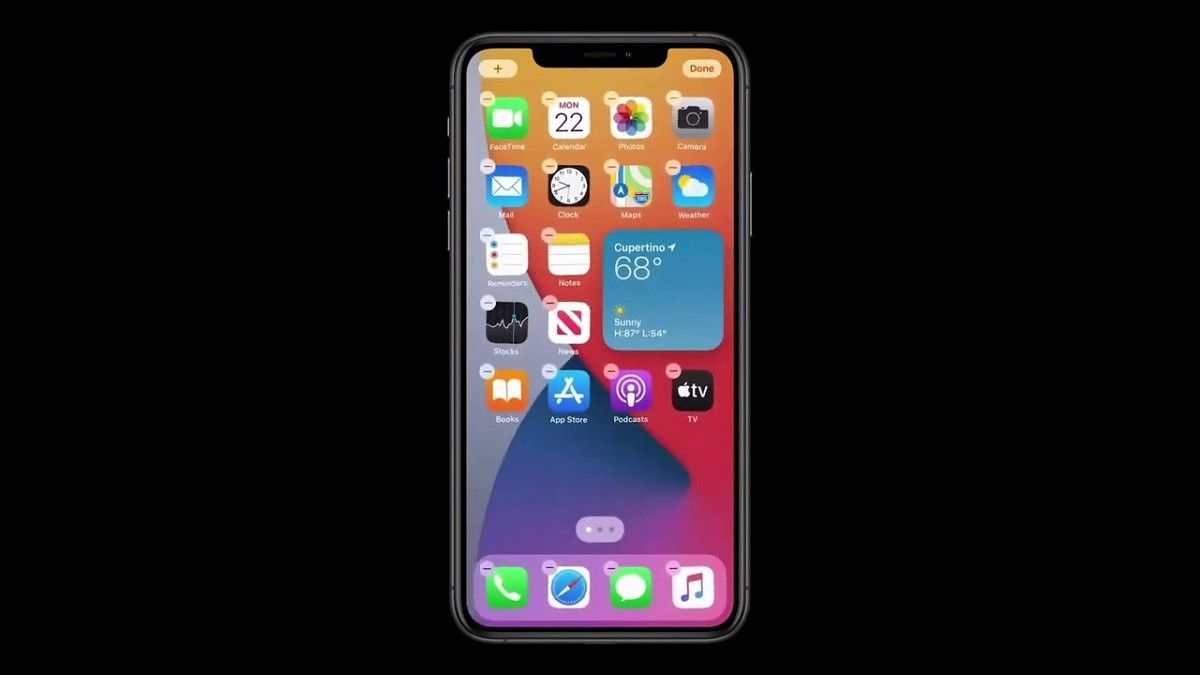
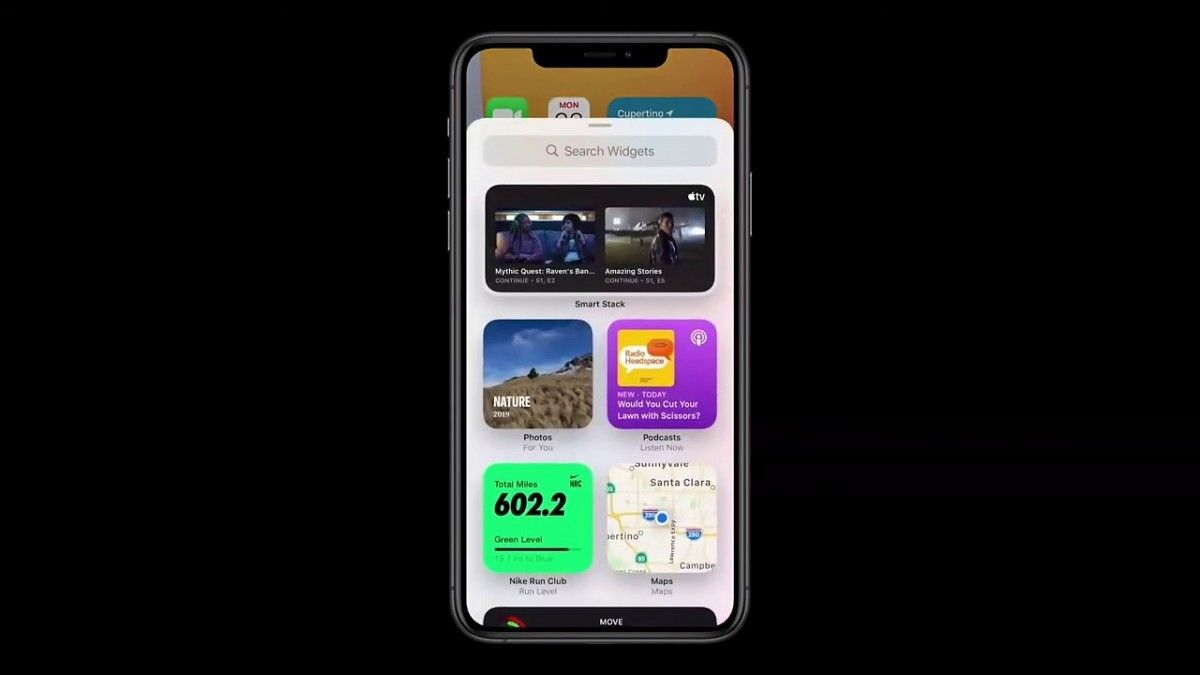
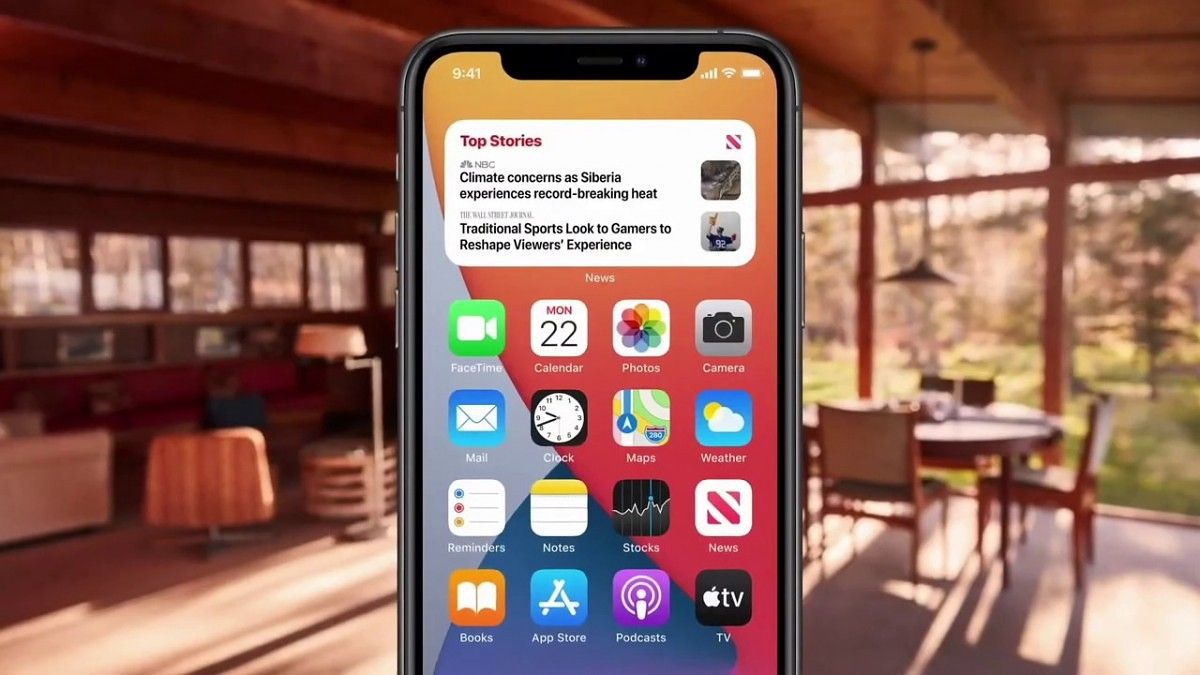
Apple’s widgets look pretty much how you’d expect if you’ve ever seen iOS or an Apple Watch. The corners are rounded to match the app icons and they fit neatly in the home screen grid. iOS 14 widgets can be found in the “Widget Gallery,” which is basically the same as Android’s widget picker menu. This is where users can choose the size of the widget as well, and they come in 3 sizes.

Where things get interesting is a feature called “widgets stacks.” These are literally “stacks” of up to 10 different widgets. Users can swipe through them so they can use multiple widgets in the footprint of only one. There is also a “Smart Stack” in the Widget Gallery that brings some intelligence to the widget stacks.

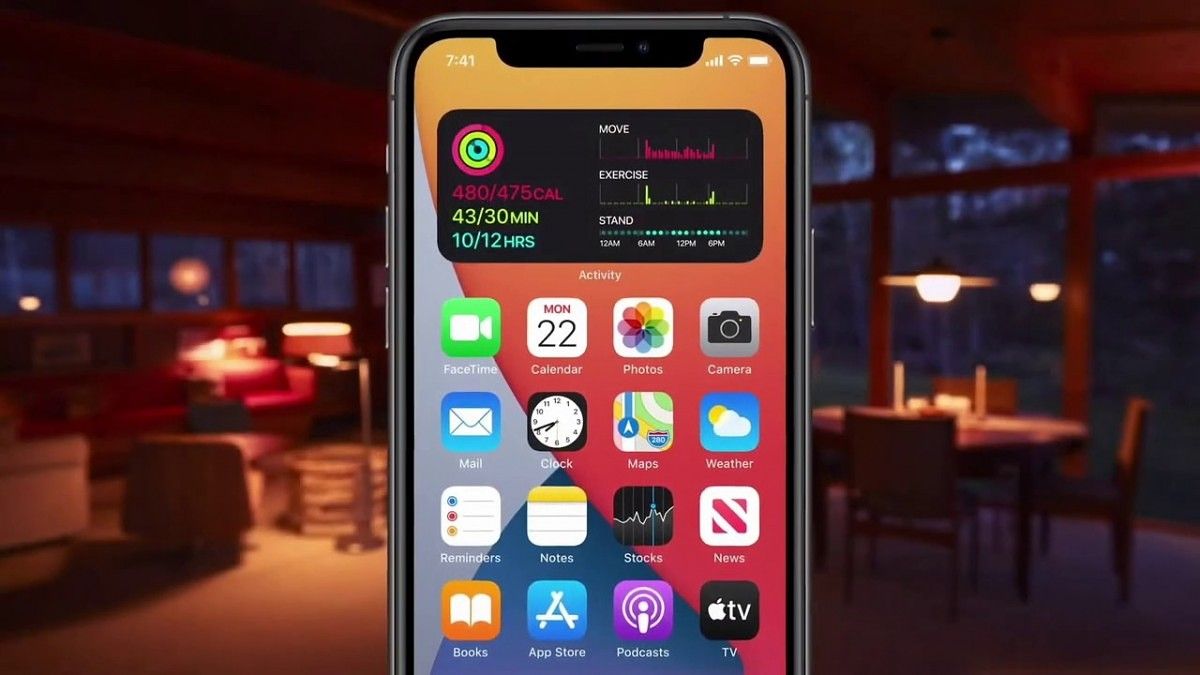
The Smart Stack widget uses Apple’s on-device intelligence to display a widget that it thinks is relevant for the time of day. For example, it could show a news widget in the morning and your fitness activity at the end of the day. Apple also has a “Siri Suggestions” widget that will show actions you might take based on your usage. For example, it could show the Starbucks app when you normally buy coffee.

iOS 14 home screen

Widget stacks and the intelligent widgets seem super handy to me. Putting multiple widgets in the same spot saves space and the effort of looking for widgets on multiple pages. Plus, the intelligence to know which widget/action you want is super helpful. This seems like a perfect feature for Google to borrow. After all, Google is already doing tons of predictive stuff with Assistant. The Pixel Launcher even already suggests app actions in the drawer, so it could easily be made into a widget.

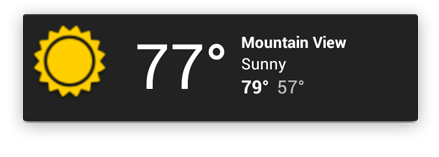
The problem with Android widgets is they’ve kinda been forgotten. Look at the examples of widgets on the official Android “App Widgets Overview” page.  Several of those widgets don’t exist anymore and the screenshots are from the Nexus 5. Android 11 is coming soon and none of the new features pertain to widgets. I’m sure we all have a couple of widgets on our home screens but are you even excited about widgets anymore?

This ancient widget is shown on Android’s widget guidelines page

There’s also a huge disparity in the quality of widgets. Google doesn’t have many design limitations on Android widgets. They come in all shapes and sizes, which is great for customization but not so great for a feature like Smart Stack because there’s just too much variance in design to make it cohesive. Apple has a tight grip on the look of the iOS home screen, which makes all the widgets feel similar. I’m not saying that’s necessarily a good thing, but it does make certain abilities more feasible.

Ultimately, though, I think that’s what makes iOS 14 widgets feel like a better approach than Android widgets. The fact that Apple actually has an approach and not just the wild west mentality of “sure, a widget can be anything!” It’s been a long time since Google did anything serious with widgets. Apple is showing how useful they can be with a fresh perspective, something Android is lacking in this particular department.

The post Apple’s iOS 14 finally has widgets and they might be better than Android’s appeared first on xda-developers.


from xda-developers https://ift.tt/2YpEKsR
via IFTTT

Google Assistant’s daily overview now shows recipe suggestions

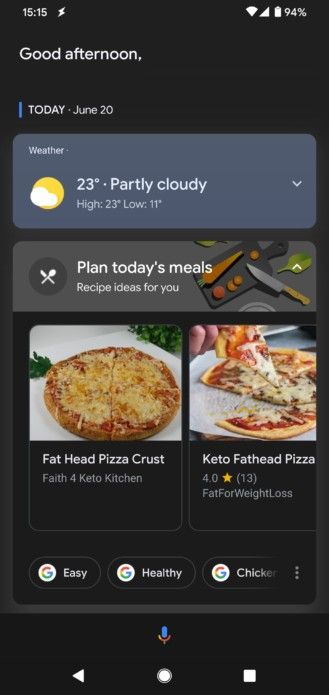
Most people think of voice commands when they interact with Google Assistant, but the mobile app also features a daily overview. This overview page has never really been given a clear name. Google refers to it as a “visual overview of your day,” but it’s also been called “Today” and the “Feed.” Regardless, this interface is now getting recipe suggestions.

Google Assistant’s daily overview shows things like the weather, calendar events, packages on their way, and many other things. It’s a useful one-stop-shop for a lot of things you might be interested in seeing. Recently, users have noticed a new “Plan today’s meals” card with recipe suggestions. When the card is expanded, there are buttons for more food-related search queries. The suggestions are likely created based on your search history.

google assistant recipe suggestions

While recipe suggestions may be useful to some people, they might be unwanted for others. Unfortunately, the recipe card can’t be removed as other cards can. Not from the overview UI or the Google Assistant settings. I search for recipes a lot and I’m not seeing this card yet, so it might not be fully rolled out yet. Hopefully, Google will add more customization to it in the future.

This feature brings up a question: do you use the Google Assistant overview? I can’t say that it’s something I open very often. The provided information seems useful, but it’s just not a feature I think to use a lot. Adding cards that can’t be removed is a sure way to turn more people off, too.

Google Assistant - Get things done, hands-free (Free, Google Play) →


Source: Android Police

The post Google Assistant’s daily overview now shows recipe suggestions appeared first on xda-developers.


from xda-developers https://ift.tt/2zT46WD
via IFTTT

Red Magic 5G Lite, OPPO A52, OPPO A72, HTC Desire 20 Pro, and HTC U20 5G forums are open

Earlier this month, the smartphone industry saw some interesting events, including a revival moment for HTC. The forsaken smartphone brand launched two new smartphones including one 5G device powered by Qualcomm’s Snapdragon 765G. Meanwhile, Nubia also launched a Lite variant of its Red Magic 5G gaming smartphone with a 120Hz AMOLED display and the Snapdragon 765G. These phones look pretty interesting just based on the spec sheets, which is why we’re adding dedicated XDA Forums for the Nubia Red Magic 5G Lite, HTC U20 5G, and the HTC Desire 20 Pro. Along with these, we’re also opening up forums for two mid-range OPPO smartphones – the OPPO A52 and OPPO A72 – that were recently launched in Europe.

Red Magic 5G Lite

The Red Magic 5G Lite from Nubia is a lower-powered variant of the Red Magic 5G. The Snapdragon 765G-powered Lite variant is not only toned down in terms of specs but also lacks the physical cooling fan that is characteristic of the Red Magic series. However, it comes with a bigger 5,100mAh battery and borrows the capacitive shoulder buttons from its more powerful sibling.

Nubia Red Magic 5G Lite XDA Forums

HTC U20 5G and Desire 20 Pro

HTC U20 5G HTC Desire 20 PRo

While the HTC U20 5G has a Snapdragon 765G chipset, the HTC Desire 20 Pro is a mid-ranger with the Qualcomm Snapdragon 665. The HTC U20 5G has a massive 6.8-inch display while the HTC Desire 20 Pro features a smaller 6.5″ display. While both phones are currently limited to Taiwan, they could launch globally. We expect the Desire 20 Pro to launch in other markets, but we don’t know when or if the U20 5G will launch outside of Taiwan.

HTC U20 5G XDA Forums ||| HTC Desire 20 Pro XDA Forums

OPPO A52 and A72

The OPPO A52 and A72 are pretty identical in terms of specifications. Both of them are running on Qualcomm’s Snapdragon 665 SoC, 4GB of RAM, and feature 6.5-inch Full HD+ displays. The differences lie in terms of the internal storage – the OPPO A52 comes with 64GB while A72 packs in a 128GB storage chip. Another difference is that the OPPO A72 has a 48MP primary camera while the A52 has a 12MP camera. The prices for these devices are unknown so far but we expect to learn that soon.

OPPO A52 XDA Forums ||| OPPO A72 XDA Forums

The post Red Magic 5G Lite, OPPO A52, OPPO A72, HTC Desire 20 Pro, and HTC U20 5G forums are open appeared first on xda-developers.


from xda-developers https://ift.tt/2YpUtbv
via IFTTT

UBports GSI brings Ubuntu Touch to any Project Treble-supported Android device

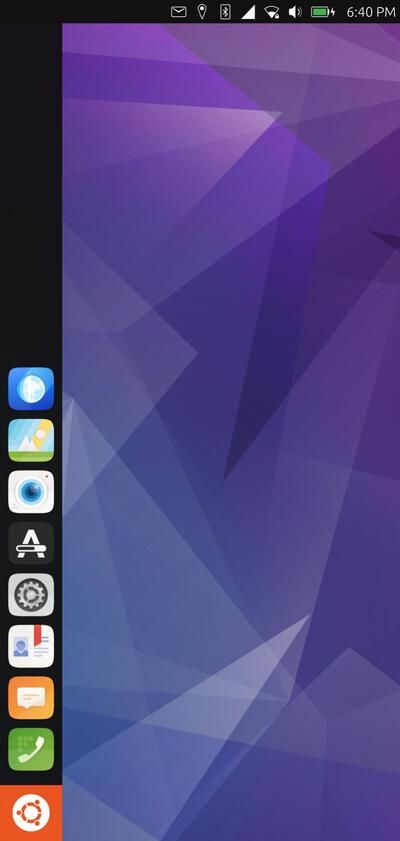
The ability to boot an AOSP Generic System Image (GSI) on a compatible Android device is one of the best outcomes of Project Treble, but a similar achievement has yet to be made in the domain of generic kernel development. Google does mandate a minimum Linux kernel version requirement with each new release of Android, but you still can’t simply flash a generic ARM Linux distribution on your Android smartphone and expect it to work due to the fact that the majority of the Android devices are not using a mainline Linux kernel. There exists a community-driven project named UBports that aims to bring Ubuntu Touch (a mobile version of the popular Ubuntu Linux distribution) to Android devices, but their device support is fairly minimal to date.

XDA Recognized Developer erfanoabdi, however, is trying to tackle the situation from a different angle. Instead of waiting for device-specific patches to be landed in the mainline Linux kernel source tree, the developer has successfully created a GSI-esque, platform-agnostic Ubuntu Touch image that can be installed on any Project Treble compliant device.

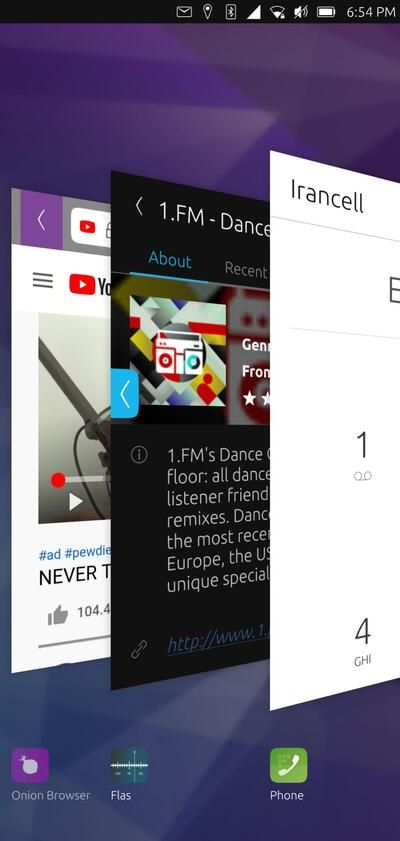
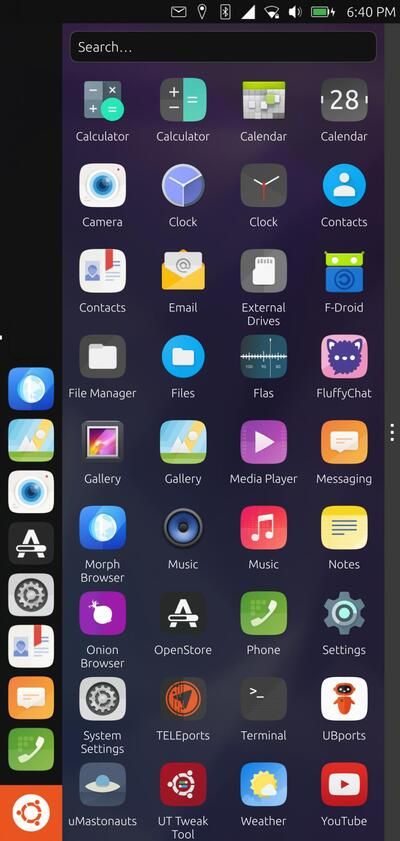
Sounds familiar? Well, erfanoabdi is the person who managed to port Ubuntu Touch to the Xiaomi Redmi Note 7 a few months ago. Unlike that initial build, the current GSI (which is still based on Ubuntu 16.04 LTS) is almost daily-driver material. You can send/receive calls, connect with your Bluetooth peripherals, utilize the GPS, and even run Android apps, thanks to the built-in Anbox environment.

ubuntu_touch_gsi_1 ubuntu_touch_gsi_2 ubuntu_touch_gsi_3

Is my device compatible with the Ubuntu Touch GSI?

Probably yes. The underlying vendor interface of this GSI is tested against an Android 9 Pie-based firmware, albeit the GSI might work on older Android 8.0 and 8.1-based vendor images as well. Moreover, you need to patch the stock kernel to make it compatible with Project Halium. This part is a little bit complicated, as there is no way to patch the existing boot image of your Android device on-the-fly as of yet. You can either build halium-boot from source or compile a standalone modified version of your stock kernel by manually applying the appropriate patches on top of the kernel source. Read more about it here.

Once you are done with the patching part, you should be able to install the Ubuntu Touch GSI just like any other Android GSI out there. The flashing process will require you to format your data partition, so do perform a backup beforehand.

Ubuntu Touch (UBports) GSI: Download ||| XDA Discussion Thread

The post UBports GSI brings Ubuntu Touch to any Project Treble-supported Android device appeared first on xda-developers.


from xda-developers https://ift.tt/3fHbGTw
via IFTTT